• Skip to content

Holistic Strong

It's Within You

  • About
  • Life Lessons
  • Spiritual Wellness Video Gallery
  • Meditation and Mindfulness
  • Relationships
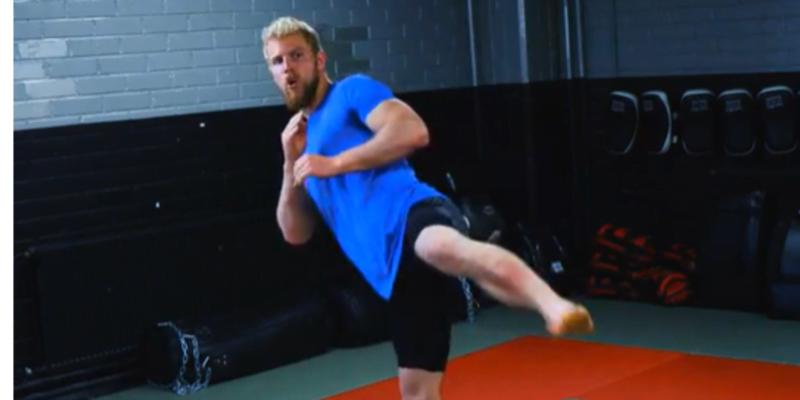
This VAHVA Fitness review will examine a host of beneficial physical fitness exercises, such as the one pictured here (standing kick).

The Ultimate VAHVA Fitness Review – Should You Join Their Ranks (I Did!)?

Life Lessons

This VAHVA Fitness review is one of the most comprehensive, in-depth reviews that I have done to date.

In this review, you will find out what the VAHVA Fitness Movement is, how it works, which products are included, and the fitness principles and skills they illuminate.

This assessment has taken some time to complete for two reasons. One, it covers so much material and the sheer scope of evaluative writing is extensive. Second, I have access to all their products, and going through the individual lessons for each VAHVA product takes time (time well spent).

But if your goal is to discover more details about VAHVA Fitness, you’re in the right place. As such, I strongly encourage to read this review in its entirety (also time well spent).

What is VAHVA Fitness?

Fitness is a state of mind. It’s a way of life. It’s a journey, and VAHVA is here to help you get there.

VAHVA Fitness is a multidisciplinary fitness company, founded in 2015, dedicated to helping people achieve their emotional, mental, spiritual, and especially, physical goals. Their videos and products are a mix of Eastern and Western methods, with a focus on core strength, flexibility, endurance, and overall wellness.

They’ve spent years studying different methods of training, as well as conducting their own research—all of which they incorporate in their products.

Their videos have been featured on national TV and used in educational institutions around the world in countries like Australia and Finland. They are proudest for helping folks dramatically improve their health, physiques, and emotional wellbeing.

At VAHVA Fitness, the trainers believe that physical fitness is a choice and a lifestyle — one that even a total beginner can master.

Their mission is to transform people’s lives through unique techniques for mobility, flexibility, and athletic and core training, based again on their vast experience and scientific research.. 

At VAHVA Fitness, they believe you can achieve objectives that are right for you—without destroying your body or leaning on supplements or drugs. That’s why their fitness techniques are designed not only to respect the body, but also to develop a healthy relationship with it.

They also believe in a holistic approach: they don’t just train your body; they also help train your mind. You’ll learn how to use all of your senses to get the most out of every workout—and keep yourself motivated even when you face adverse circumstances.

VAHVA Fitness also borrows elements from traditional Finnish culture to help their clients develop a strong and resilient mindset, which translates into better physical health and fitness.

The word VAHVA means “strong” or “able-bodied” in Finnish and is used throughout the company’s branding.

VAHVA Fitness offers movement-based workouts that focus on the body’s natural strength and power. The workouts build and strengthen muscles in the core, arms, legs, and back.

Some movements are also based on yoga, martial arts, dance, and other art form techniques, which are used to build endurance, balance and flexibility.

About the VAHVA Co-founders

If you’re considering joining the VAHVA Fitness Movement, you should get acquainted with the co-founders:

Eero Westerberg – He is not only a co-founder, but one of the lead instructors at VAHVA Fitness, a personal training and movement education business. Eero is a movement expert and teacher with years of experience teaching clients to cultivate a holistic personality, achieve their goals, and improve their lives.

In his role at VAHVA Fitness, Eero helps clients look good, feel good and be healthy by giving them the tools to create a lifestyle that best fits them. They can choose from different workouts, activities, and events available to their clients.

Eero has years of experience in fitness, movement education and coaching. He has trained with some of the world’s best teachers and has developed his own style of instruction that is fun, challenging, intuitive, and highly effective.

His strong martial arts background and movement styles are clear in his training videos — all of which help the viewer’s mobility, structural balance, athleticism, agility, and functionality.

You can find out more about Eero Westerberg and VAHVA by visiting his Instagram account. It’s not surprising that he has amassed over 100K followers.

Watch Eero Westerberg and Samul Jyrkinen (whom I’m about to introduce) discuss aspects of physical fitness, and how we can take steps to find our own unique limitless potential.

SamuliJyrkinen – The other VAHVA co-founder, Samuli Jyrkinen, is now more in the background than in the forefront. His scope of responsibilities include the website (it’s impressive!), support issues, and technical matters.

But his influence on the course material is evident.

Studying martial arts when he was a teenager,his approach to training has evolved to where he’s now mostly focused on the practical application of movement and strength and conditioning, with a heavy emphasis on the development of athletic qualities.

He believes that this is the type of training has the most direct impact on how we move in everyday life.

Samuli, Eero, and staff seem to collaborate very well as their workouts have been viewed millions of times and enjoy great popularity with thousands of customers.

Their system helps you create an optimally healthy body and mind through exercises and movements. 

And this is really important because it’s not just about how you look when you walk into the gym, but how you feel about yourself and your life.

Read on to gain familiarity with their popular product line via a full description of what each program offers:

The Ten Commandments of Universal Strength Training

Eero Westerberg, VAHVA Fitness co-founder, differentiates between two types of training in the gym: skill vs strength training. He details how each one looks and feels, and how they correlate with one another.

Workout expert Eero Westerberg explains the concept of skill vs strength training. The ten commandments make up a simple way to approach every workout.

Universal Strength Training (UST) is a system of strength training VAHVA Fitness developed to solve the problem of mainstream strength training methods being too dangerous, ineffective and narrow in their transferability.

It also offers the user a way to approach training with the proper temperament and mindset—which is unique.

After many years of personal experimentation and research, VAHVA Fitness has come up with a combination of elements that are counter-intuitive to mainstream methods but are more functional and effective.

The following is a sample listing of the commandments:

A) Know the difference between skill training and strength training. While many people associate strength training with a cult-like devotion to pursuing muscle mass, there is another way to think about it.

Strength training focuses on the development of the body as a whole; it doesn’t matter if you’re trying to build strength in your back or in your arms, you’re still working toward an overall improvement in the physical condition of your body.

The major difference between skill and strength training is that the former focuses on improving a certain skill—it’s what you learn when you practice something repeatedly, whether it’s typing, playing piano, or how to swing a tennis racket.

Strength training is more holistic: it has less to do with a specific skill and more to do with gaining general physical fitness.

This difference manifests itself in how each person approaches his or her workout regimen: a skill training proponent might be focused on how many repetitions are performed at any given time (i.e., “How many more reps can I do?”), whereas a strength training proponent is thinking about the quality of those reps (i.e., “Am I using good form?”).

Here’s another difference: in skill training, with the emphasis placed on increasing repetitions, the individual performing the workout is looking toward using energy-efficient methods.

The individual engaged in strength training is focused on working out target areas, expending maximum energy, viewing exercise as a tool than an end goal.

In essence, skill training is about optimizing the numbers vs. strength training’s priority of optimizing form.

B) Train to help your body and not for egotistical purposes. When most people think about strength training, they think about bulging biceps and cut quads. And although this is a tangible product of getting stronger, it’s not the only one.

When you are stronger, you are healthier. This means that the benefits of strength training go well beyond the superficial: it improves immune function, increases bone density, and increases your overall longevity.

Strength training also helps to prevent injury by improving muscle balance, joint mobility and neuromuscular control. It reduces stress on joints by increasing their ability to support heavy loads without pain or fatigue setting in.

It can even have a positive impact on mood by increasing serotonin and endorphin levels in the brain.

So the purpose of universal strength training should be to reap the aforementioned health benefits, and not for self-aggrandizement, outside attention, and ego.

People who say that they workout for the sake of looking good are setting themselves up for failure. The reason you should not work out to look good is that vanity is a fickle and fleeting emotion, whereas self-confidence, which comes because of a healthy body, will last you your whole life.

C) Effective training requires variety, not oversimplification. Variety is vital to your health.

It’s important to maintain a healthy balance between strength training, cardio, and flexibility training. This means that you need to have variety in your exercise routine to prevent overuse injuries and keep your muscles engaged.

It’s important to not oversimplify strength training. You can’t just do the same moves repeatedly with no variation or progression; you’ll never see results from that kind of program. Your body isn’t just going to respond by getting stronger; it needs new challenges in order to get stronger!

The human body is a remarkable creation with an incredible capacity for adaptation. When we take on a new activity, we build our bodies to adapt to the specific strain that activity puts on us.

For example, walking places a unique “stamp” on your body because it activates different muscles than, say, running would. It also puts stress on different joints in different ways.

The way your body reacts to walking and running will be completely different! Which is why you need to vary your exercise routine and switch things up often.

If you always do the same thing over and over again, your body gets used to it and stops adapting. In fact, the longer you do one type of exercise without interruption, the less likely it is that you’ll see gains in fitness from that workout.

VAHVA’s Ten Commandments include other laws that govern strength training. My two favorite lessons include implementing a mindful attitude and body awareness during strength training and viewing ostensible weakness as potential in disguise.

The course can be accessed for free. (VAHVA Fitness used to charge for it.) You will receive videos, relevant information about each strength training commandment or law, a PDF document that has been compiled from all the videos, and useful resources.

You should be able to complete the Ten Commandments program in less than two hours, as no video is longer than about 20 minutes. But the information can have lasting benefits as you learn how to harness your mind and body to become adept at strength training.

Skill Master

Body control is key for every athletic or fitness pursuit, yet most people never develop it to the level of a world-class athlete. They’re missing out on what it feels like to move their bodies with extreme efficiency, like a ballet dancer or gymnast.

It’s not just physical skills that are enhanced by having an advanced sense of body control, though—mental and emotional skills are developed as well.

You can learn how to think more clearly under pressure, how to feel confident in your body’s ability to move however you want it to, and how to cultivate self-confidence in all aspects of life.

Whether you want to learn a new skill like flipping, cartwheel mastery, monkey splits or you just want to develop your fitness level and become more athletic, many of the same principles apply—you’ll build a strong core and full body strength through great levels of coordination. Most skills rely on having a strong core and shoulders!

Through Skill Master, VAHVA Fitness offers high-quality instruction in movement skills that you can use throughout your life, whether you’re training for a sport or looking for ways to improve your health and physical activity level.

Watch top Finnish trainer,  Eero Westerberg, demonstrate his sill master moves, included in the program.

Learn the secrets of acrobatics, flexibility and grace with VAHVA’s skill master trainer. Eero Westerberg.

These skills are impressive, as they require a mastery of balance and center of gravity that’s almost beyond comprehension. The human body is capable of some incredible feats of strength, balance, and flexibility.

We don’t think about it often, but the ability to control certain parts of our own anatomy can be crucial for performing daily tasks and even for survival in certain situations.

Many people take advantage of their own abilities to do things like walk upstairs, run, or move heavy things, but there are also many skills that are commonly practiced in yoga and gymnastics that can have applicability to daily living.

Skill Master reveals how to develop these movement skills through proper technique, dedication and hard work. Each move is deconstructed into the various elements. A demonstration with instruction follows.

For example, instructor Eero Westerberg shows how to do the perfect headstand. (If you’re looking for a way to build your core strength and add some variety to your yoga practice, the headstand might be just what you’re looking for. It’s an effective way to work on balance and focus, but it can also help improve strength and flexibility if done correctly.)

Eero explains that you’ll want to start on the floor and progress by placing some weight on your neck and head. Position your hands in front of your chest, with your arms offering support and providing a push-off point for the legs when they come up into the air.

Next, place your legs as close to your buttocks as possible, and raise your legs off the ground by pushing off with your toes. This transition can be modest at first, but with practice, you’ll be able to get to a deeper inversion where your body is 90 degrees from the floor.

Your head and body should be aligned during this process.

Eero also provides tips on what to do if you fall over to avoid injury, and the correct way to get out of the pose. He also offers variations of the headstand (pike headstand, crow headstand, tuck headstand, jump headstand, and more.)

But the headstand and its applications are just two of the wide array of skills to master. In the category, “Skill acquisition,” he reviews:

  • Helix spins
  • Flying daggers
  • Elbow lever and its applications
  • Beast spin
  • Floor skill sequence
  • Total cartwheel mastery
  • Horizon flip and monkey split

Why are these movement skills important to master?

We all have a tendency to become complacent and comfortable in our lives. We get used to the same old routine, and it can feel like there’s no point in trying new things. But movement is an important part of life.

As humans, we are active—not just physically, but mentally and emotionally as well. Movement keeps us flexible and creative, and it helps us to stay mentally sharp. It’s not just about our physical well-being; it’s also about mental health.

When you’re stuck in your routines and habits, it’s hard to see the benefits of moving around more often. But there are many benefits of learning skills, such as headstands and cartwheels:

1) They help you stay healthy by working out your muscles and improving circulation.

2) They help you develop coordination skills so that when you’re older (and maybe even now), you’ll be able to move around more easily with less likelihood of falling.

3) They increase your focus by forcing you to concentrate on what you’re doing while trying something new at the same time—this is great for mindfulness training!

4) They give you a sense of freedom and help you feel relaxed and happy.

5) They improve self-esteem because you succeed at something new (like learning how to walk on your hands!) and feel a sense of accomplishment.

But before even tackling athletic moves, VAHVA understands the importance of providing a foundation for how to best gain these skills. They devote an entire section of the course to ensure skill mastery.

For instance, the best progression is usually not the hardest one; instead, focus on what is challenging but doable. Being able to do something well is important because it allows you to build confidence and competence in yourself—both of which are essential when trying something new.

One video in this section mentions the 4 phases of learning:

  • Introductory, trying out phase where you just try out the moves, gaining familiarity with them.
  • Refinement phase where you try to reduce body tension when performing the moves, and gain more comfort as you contort your body. You’re polishing the moves, gaining more success. This phase can take hundreds of repetitions.
  • The professionalism phase takes place when you’re gaining mastery of the moves. You can analyze your positions in space and be able to almost always successfully complete the moves. Your movement flow becomes much more natural and intuitive.
  • The second nature phase occurs when the move is almost akin to muscle mastery. You’re able to perform the moves with total confidence and competence.

But in another video in this “Skill Master” section, “Pure Movers vs. Purist Movers,” Eero Westerberg warns about pursuing perfectionism and being dogmatic in how the move is done.

Pure movers are more interested in expressing themselves than following strict rules or standards. They don’t want to be professional acrobats or hand balancers—they just want to have fun and do their best.

A purist mover is more focused on getting perfect scores in competitions and pushing their limits as far as they can go. They want to be the best at everything they do, so they focus heavily on technique and proper form while also pushing themselves physically through rigorous training regimens.

In this context, Eero advocates for you to become a pure mover, feeling that exhilarating feeling when you maneuver your body, and experiencing that sense of freedom and fun.

This “Skill Master” section includes video tutorials about deconstructing a skill, the benefits of skill training, differentiating it from strength training, frequency and recovery, how to avoid injuries (one that I need to rewatch!), and more.

As a bonus, this VAHVA Fitness program reviews and reinforces the idea of pacing yourself. They recommend practicing the moves three to four times a week. Alternatively, you can try their recommended “grease the groove method.”

The grease the groove method is a practice routine that involves doing an activity for a short period, then resting for an equal period of time. This can be repeated through the day or week, with each repetition followed by a rest period.

The idea behind this method is that it increases your ability to perform a task at a higher level over time without actually requiring you to spend more time practicing.

See what works best for you. But this product requires use and you must practice each skill outlined. Otherwise, the valuable information it contains is meaningless.

The last element in the Skill Master program is “A Day of Mobility.” Are you ready to become more mobile and move better?

In this exclusive mobility class, the VAHVA Fitness team covers what mobility is and how to develop it. They also reveal 6 amazing exercises that will help you improve your range of motion and release tension from your muscles.

Finally, they will show you the techniques and principles behind each element so that you can implement them in your own training.

If you’re a young person or young at heart, the Skill Master program will be great for you. If you’re an athlete, cheerleader, gymnast, acrobat, or just someone who wants to get in shape and have fun with your body, this is the program for you, too.

The program will teach you how to maneuver your body through the steps highlighted. You’ll also learn about the science and physical fitness principles that help you perform at your best.

But before you buy the Skill Master training, which costs $49 per month, make sure you can meet the following criteria:

– You need to move freely and gracefully

– You should be able to do simple stretches and exercises without pain or discomfort

– You must be physically healthy; it’s not designed for folks who are experiencing significant health programs

Movement 20XX

The Vahva Movement 20XX methodology is a combination of strength, mobility, and flow/movement skills. The idea behind this approach is that each area of training has to be equally developed in order to achieve optimal results.

Strength training is one of the most important aspects of VAHVA Movement 20XX because it improves performance and helps prevent injury.

Mobility training is also an important aspect of VAHVA Movement 20XX because it helps increase range of motion in all joints within the body. This allows you to move through full ranges of motion, which ultimately improves athletic performance and reduces risk for injury by increasing tissue extensibility (stretching).

Flow/movement skills are essential for anyone looking to improve their overall athleticism and performance in sports. By developing these skills, we can move more freely and efficiently through space while performing various tasks, such as running or jumping.

This will allow us to move faster, jump higher or run faster without getting injured because we can control our bodies better than someone who doesn’t have these skills.

The VAHVA Movement 20XX program synergistically incorporates all these foundations. It’s well organized, too, with two primary pillars:

Pillar #1, called “Main Elements” – Strength training instruction, is paired with mobility drills. (They advise you to perform the mobility drills after each strength training exercise, although it is not mandatory to do so.)

The main elements (i.e. strength training /mobility) are subdivided into three categories: lizard crawl progressions, climbing progressions, squat progressions respectively representing pushing strength and mobility, pulling strength and mobility, and strength with mobility using the legs.

The bodyweight squat is a full-body movement that works your legs, glutes, core and back. In Movement 20XX, Eero Westerberg is in the process of performing this exercise.

VAHVA’s Movement 20XX workout is designed to help you get your body moving with a full-body workout that will lift, burn and stretch your muscles. It’s a fast, effective way to get lean, strong and healthy – all while having fun! Here, Eero Westerberg demonstrates a bodyweight squat.

Pillar #2, called “Flow Elements” – Flow elements are a part of the VAHVA Movement 20XX system that helps you learn how to move through space in a way that feels effortless and natural. They are important because they help you understand how you can move in your body without having to think about it.

Need an incentive to perform them: they’re fun to do and not so difficult, but they require practice.

When they talk about flow, they are talking about the expression of energy. The core of VAHVA movement is to bring attention to true self and how you can move forward with that in mind.

Flow elements are divided into 3 categories as well: high flow, low flow, and ground flow.

High Flow – Flow elements performed standing up, such as the half-moon kick, jumping pirouette, water wiper move, horse walk, etc.. When I’m performing some of these flow elements, especially animal movements, my wife admittedly has a good laugh.

It may look silly as I amble and shake like a horse. But I may have the last laugh as my balance, stability, agility, and flexibility will be much better than my wife’s. 🙂

Low Flow – These flow movements include those where the hands are low or touching the ground. VAHVA showcases a lot of animal movements in this section, including the bear walk, crab walk, duck walk, bunny hop, and much more.

When my son was very young, he must have instinctively known the benefits of strength and agility, because he loved walking like a crab for several minutes at a time. Now Dad accompanies him, personifying the almighty crab.

Ground Flow – Envision moves like the gymnastics roll, the backwards roll, and the soldier crawl. Ground flow movements are all done (can you guess?) on the ground.

VAHVA believes not only in flow movements, but in the way they structure the material manifests flow, too.

They provide a six-month guide, a Monday through Sunday workout routine (although Sunday is a total rest and recovery day) that includes weight training (push movements, pull up movements, squats), mobility drills, and my favorite options, flow movements.

This is an outstanding program if you are looking to get in shape, lose body fat, become more fluid in your motions, and achieve optional emotional and mental health. It is challenging, but far from impossible.

If you’re a complete physical fitness novice, I would start at a slow, steady pace and then move on to the advanced exercises after several weeks of getting accustomed to the program’s elements.

One drawback will arise if you don’t have a gym membership or your own make-shift gym: The climbing main elements, such as the inverted row, chin up, and pull up, require equipment.

They list some substitute exercises and, since they mention what areas of the body are being targeted, you may figure out alternative ways to strengthen these areas.

Toward that end, VAHVA’s Movement 20XX includes challenging static exercises (e.g., one-sided elbow lever, crow pose, back bridge, and L-sit and V-sit).

They also include active flexibility drills (glute flexibility, hamstring flexibility, quadriceps flexibility, etc.) to address lower body needs.

But VAHVA is a “total body get in shape” program, one worth investigating, even with the relatively high price tag of $497.

It’s a great way to get into shape, and it helps you burn calories in a manner that doesn’t feel like exercise.

Athlete 20XX

While there are countless components that go into training a top-notch athlete, there are some basic physical characteristics that you’ll almost always find.

Athletes must be strong and flexible. They must be able to move well—that includes being able to move quickly, but also being able to maintain proper form throughout the duration of whatever they’re doing.

You’ll also need to have a good amount of endurance. This is the ability to continue on with whatever sport you’re training for without growing exhausted over time.

It’s important because if you can’t push through a workout without getting tired, how will you keep up your routine during a game or match?

These components will require some sort of physical training. Besides practicing your sport, you’ll need to incorporate strength training into your routine.

Strength training can help improve muscle growth and tone, which will strengthen you overall—which translates into better performance on the field or court.

The hip, dip and up exercise, featured in Athlete 20XX, is a great way to get strong in the glutes, hamstrings and lower back while also working on your coordination.

This hip, dip and up exercise is an athlete favorite. It’s a wonderful way to get strong in the glutes, hamstrings and lower back while also working on your coordination.

The hip area is one of the most important parts of the body to work out, as it supports most of an individual’s weight while they are moving. Hip articulations are a favorite among athletes because they are simple and easy to do, but highly effective in strengthening the hips’ muscles. These exercises involve simply rotating the hips in different directions, whether standing up or lying down.

Athletes often do these as part of their warm-up routine so that their muscles are loose and ready for more advanced activities like squats and lunges.

The abs are another targeted region in the Athlete 20XX program.

Here is a sample list of exercises:

  • Supported front knee raise
  • Supported side leg raise
  • Supported bent over leg raise
  • Supported donkey kick
  • Beginner Jackknife

How do these exercises help to strengthen abs?

The answer is simple: these exercises isolate and work on your core muscles. Your core muscles are located around your spine, pelvis, and midsection.

These muscles include rectus abdominis (the “six pack”), external obliques (the side abs), internal obliques (the deeper middle abs), transversus abdominis (deepest layer of muscles that wrap around the spine) and pyramidalis (the bottom tip of the rectus abdominis muscle).

By isolating these muscles, you can strengthen them and be more functional in everyday life.

Athlete 20XX is a workout plan designed to build muscle and protect joints. Professionals who have an intimate understanding of the human body, its requirements for success, and the damage that improper exercise and training can cause created it.

The program comprises 3 phases. Everyone should begin with Phase 1.

Phase 1 is for beginners, but even advanced or elite athletes can benefit from starting with Phase 1. This level teaches you how to execute the workouts in a safe and structured manner and ensures mastery with less challenging movements.

This level’s primary focus is to increase the user’s mobility, range of motion, and, predictably, strength in body articulations (mostly hip and abs).

When you have mastered Phase 1 and returned your body back to its natural state, which will be after 4 weeks, you are ready for the second phase.

Phase 2 is for intermediate level athletes who have been training consistently for one to two years. An intermediate athlete can improve their weaknesses and make progress in their sport, but they must also be careful not to overstrain or become burnt out from too much stress.

Intermediate athletes should perform a variety of exercises each week, with some focusing on strength and others on power, endurance, or flexibility.

A well-rounded training program will include resistance training (weightlifting or bodyweight exercises), plyometrics (explosive movements), aerobic conditioning (longer duration activities like running or swimming), core strengthening and stretching.

Phase 2 is geared to promote stability; and balance through a variety of exercises: hip articulations and abs, upper body workout, push and pull leg workouts, pull upper body and obliques, and more.

The workouts are simple and easy to follow and almost all require no equipment, save for dumbbells and an overhead bar to pull yourself up. VAHVA Fitness shows the number of suggested sets, repetitions per set, and the equivalent time approximation per set (typically 30 to 60 seconds).

All the workouts are designed to be completed in under 30 minutes, so there’s no excuse not to get your sweat on!

It’s time to reach your peak potential. You’ve trained hard and you are ready.

In Athlete 20XX’s Phase 3, you will train to become the best possible athlete possible by giving your body what it needs. You will learn how to build lean muscle mass, speed and power in each muscle group and in the body as a whole.

You have developed well-defined muscle fibres, so now is the time to turn those fibres into explosive fast twitch fibres. This is not merely “building muscle.” This is about building speed agility and power to the highest level possible.

And the possibilities for hyper-athletic performance are endless and it’s time for you to explore them.

The exercise regimen in this phase includes hip articulations (my favorite in this section are the explosive front and side leg kicks), and upper body workout and abs (you have to try the turning press).

It also details push and pull leg workouts (the explosive Romanian deadlift is harder than it looks), and the pull upper body workouts and obliques (I almost did not survive the explosive lats chin up).

VAHVA organizes each of these 3 phases into separate 4 -week programs, Monday-Sunday. They clearly lay out what you’re supposed to do, so there will be no guesswork on your part.

There are ample rest days included where you can use the time to just relax or practice your sport or engage in some type of aerobic exercise, like walking or running.

Athlete 20XX is a fitness program that focuses on gaining strength and building muscle, while improving overall body composition.

Designed specifically for beginners to advanced level athletes, Athlete 20XX provides workouts that are challenging yet safe, and are suitable for anyone who has never worked out before or who hasn’t in some time.

If you are a fitness enthusiast, consider joining the Athlete 20XX community where they prioritize progress in your form and execution. They teach these workouts using high-quality videos (printable PDFs and images are also included), all accessible online in the members’ area.

You will not only learn how to perform the exercises, but you’ll gain an understanding about why, particularly in the “Lessons section.” Here are just a few sample lessons, conveyed in an easy-to-watch video format:

  • The Importance of Core Stability
  • Precision Training Methodology
  • How to Develop Mind Muscle Connection
  • What to do if You Have Pains
  • …. and much more

Athlete 20XX is an effective program to work out with; it’s like having your own personal coach who guides you through every exercise, encouraging and supporting your progress.

This alone justifies its high price tag of $997.

Warrior 20XX

The warrior of today is an athlete who has mastered the basics but is no longer satisfied by those achievements and seeks to take on a greater challenge.

The warrior has the body and athleticism to succeed in his or her sport, and strives to improve their mental game even further.

He or she applies a warrior’s mindset to every facet of their physical training. A warrior is focused on progress for progress’ sake—the end-goal isn’t to win trophies or medals, it’s to keep getting better because that’s what warriors do.

To be a warrior in physical fitness terms is to have the body and athleticism to succeed in your sport, yet strive for greater personal improvement each day. Warriors are always focused on the next goal, and will do anything they can think of to achieve it.

Warriors push themselves beyond their comfort zone in order to advance, and attempt seemingly impossible tasks over and over until they become just another part of life.

They don’t need external motivation like awards or recognition—their own drive pushes them forward as far as they want to go.

These are the concepts behind VAHVA Fitness’s Warrior 20XX. They want their customers to excel in all physical and mental capacities, designing exercises to build a warrior-like mind and body.

VAHVA intelligently divides Warior 20XX into 3 main sections, using the “weapons” of bodyweight, dumbbells, and kettlebells.

Bodyweight exercises are those that are done with no equipment, such as pushups, situps and squats.

Dumbbells are weights that can be held in each hand to increase the strength of certain movements.

Kettlebells are weights with a handle in the center of a ball on each end. They’re used for swinging motions as well as holding and lifting.

In order to do the VAHVA Fitness program effectively, you’ll want to purchase dumbbells or kettlebells or use bodyweight exercises to replace them. It is possible to do one without the other, but it’s better to have both sets of equipment since they work different muscle groups and serve different purposes in terms of exercises.

Bodyweight will help tone your muscles and build strength, while dumbbells will add an extra challenge since you’re increasing the weight with each set.

In Warrior 20xx, Eero Westerberg is jogging while holding a pair of light dumbbells, a great way to boost the intensity of the workout and burn more calories.

Jogging in place with light dumbbells is a challenging exercise for seasoned warriors, as it requires a high level of skill and balance to increase intensity as you go through the workout. This exercise is great for toning, strengthening and losing weight in your lower body.

You can also use dumbbells in place of kettlebells if you don’t have access to one or they’re too expensive, but then you’ll be losing out on some of the best workouts through the program if you don’t have both types.

In each category (i.e. bodyweight, dumbbells, kettlebells), there are sets revolving several themes. For example, in the bodyweight workout session, the following exercises are provided:

Punch through (beginner level) – A very effective martial arts-influenced warmup routine that helps to develop powerful kicks through hip rotations and legs, shoulder strength, and especially hand speed and power.

Bodyweight 100 (intermediate level) – This warrior workout is effective for anyone looking to get a full-body workout in a short amount of time. It does not require equipment, only a space big enough to do the movements.

Use this as an add-on to your normal routine, or do it on its own. The focus of this workout is high heart rate, which ensures endurance.

Vortex (advanced) – For a workout that will give you the core strength and stability of a gymnast, try the Vortex. The Vortex includes a variety of exercises that target different aspects of the same muscle group. This will challenge your body in ways you’ve never experienced before and help you perform more athletically in everyday life.

It’s high intensity training, so you’ll be pushing yourself to your limits. However, the speed of your own internal metronome sets the pace – you’ll go when you’re ready and not a moment sooner.

It’s very important to pace yourself properly. Instructor Eero Westerbeg gives you one minute between rounds, but you can take longer if you wish to catch your breath.

Iron Body (elite) – If you want to develop an iron body and iron mind, this is the workout for you. It’s a hellish Warrior 20XX workout that leads you through an intense mix of punch, cycle, swim, jump, and climb exercises. But if you can keep up with it, you’ll reap the physical fitness rewards.

Within each domain (i.e.,punch through, bodyweight 100, vortex, and iron body), there are six distinct exercises. Each exercise lasts 30 seconds with a 5 second rest in between. You complete a round after you perform the 6 exercises.

Can you handle the pressure? In this workout, athletes will be pushed to their limits and embrace their inner warrior.

The workout includes 3 rounds of high intensity training (regular) with two extra championship rounds that are sure to produce results.

After performing the workout, relax your body with a cool down routine (which VAHVA Fitness provides) to make recovery easier and improve your next workout.

You should note that Warrior 20XX also includes a warmup routine and clear video tutorials for each exercise, with a visible timer countdown.

You perform the exercise as you move in step with fitness leader, Eero Westeberg. His energy and passion are contagious.

The one problem I’m experiencing is with proper breathing technique as I do the fast-paced movements. But I’m getting better as I rewatch the section on breathing.

Fit, toned and ready to make your move in the war zone? 

This is a great workout, priced at $497, that will have you moving at a fast pace – but with enough rest to keep you going.

Morning Routine 20XX

Morning Routine 20XX is a program to get you up and moving in the morning. Who doesn’t need more energy at this time of day?

The goal is to create a simple, reliable routine that can fit into your life. Morning Routine 20XX helps you cultivate healthy lifestyle habits, align your body, build strength and endurance, and increase longevity.

Morning Routine 20XX is suitable for athletes of all levels who want to improve their performance, the quantity and quality of their lives, reduce muscle soreness and get rid of that stiffness in the morning after sleep.

The program consists of three essential pillars: Health Routine (which should be done every morning), Mobility Routine (which also can be done every day), and Stability Routine (which can be done every other day).

While the Health Routine will be a daily staple, it will be best to alternate between the Mobility Routine and Stability Routine, if only to ensure diversity of exercise and enthusiasm.

The three routines share this commonality aside from offering physical benefits: they’re typically extremely safe.

But before engaging in any fitness program, check with your health care provider to make certain it does not pose any health risks to you.

If you feel pain while performing these exercises, cease and desist. This is especially relevant with the Stability Routine, which can be hard on the wrists or hips. Always exercise common sense.

But begin your promising day with VAHVA’s health routine. The first 30 minutes of your day are crucial.

It’s the time when your brain is at its most sensitive, and it’s also when you’re most likely to be bombarded with messages from the world around you. Your inbox will be full, your social media feeds will buzz, and the news will have something new to tell you about.

In the morning, it’s hard to focus on what matters most: your health. But that first half hour sets the tone for the rest of your day—and if you don’t make good use of it, there’s a good chance that all those distractions will end up taking over.

As mentioned in this VAHVA Fitness review, deep breathing is essential to a proper morning routine. You become more relaxed, energized and focused as you breathe deeply, as Eero Westerberg demonstrates.

Deep breathing reduces stress, clears the mind, energizes the body, and promotes proper blood flow. Here, Eero Westerberg shows you how to do it.

In this section, VAHVA Fitness emphasizes the basics, light therapy, breathing, opening the meridians (self-stimulation and self-massage), cold shower benefits, breakfast (avoid simple sugars and simple carbs), and mastering the day.

The Morning Routine 20XX series provides you with a blueprint for your morning routine. It’s not meant to be followed like a step-by-step guide, but as an outline that you can adapt to your own needs.

This makes it so powerful! You’ll be able to take this routine and tailor it to fit your needs. You’ll also have something that you can use each day as a reminder of what you need to accomplish before heading out into the world.

There is nothing earth-shattering in the Health Routine category, but the points serve as a reminder about the best ways to launch your day, if you hope to have a good one.

You can do the Mobility Routine in conjunction with the Health Routine.

The goal of mobility is to restore range of motion and improve muscular performance. If your body isn’t moving as well as it could, you will not feel great or perform at your best.

Think of an old car with stiff suspension: every bump in the road causes a jarring effect that makes the drive unpleasant. When your muscles are tight, they can cause similar disruptions when you’re trying to move. But if you give them a chance to loosen up, they’ll be more relaxed and pliable, so your joints will glide through their full range of motion with less wear and tear on your body overall.

VAHVA’s Morning 20XX offers a 30 minute mobility walkthrough where you can practice each movement until it feels comfortable for you.

Afterwards, you can follow along with Eero Westerberg for the actual workout which lasts about 15 minutes. You’ll do neck rotations, shoulder scapula cycles, a series of arm and hand movements, lower waist and hip gyrations, leg swings, and much more.

The Morning 20XX Mobility Routine is thorough, but not nearly as intense as the mobility drills found in Movement 20XX or Athlete 20XX . This makes sense, as you’re only beginning your day, not at the apex of your energy reserves.

On every other morning, look to perform the last phase of the Morning 20XX program: the Stability Routine.

Staying stable is the key to keeping your body injury-free. As we get older, our hips, knees, and shoulders take on more of the stress from everyday activities.

Besides being a great way to get warmed up for your day, the stability routine can help you stay strong and healthy long into old age.

When we exercise, we focus on how far or fast we can go rather than how efficient our movements are. The stability routine helps you realize your body’s alignment, muscle engagement and breathing so you can carry that awareness over into other exercises.

It also teaches better movement habits that will make any exercise you do more effective and prevent injury.

The Stability Routine borrows from Yoga poses and movements that stabilize your body. Before you begin this routine, spend time on understanding the basics of stability (“Intro” section) and the walkthrough itself, which combined, should not take longer than 35 minutes.

The Morning Routine 20XX program, which costs $97, offers a stability routine for beginners and one for advanced students. It should not take long to go from the easier version to the more challenging one.

The Health Routine, Mobility Routine, and the Stability Routine all work together to help you become a “morning person” and a happier one in that.

The Health Routine gets you ready for the day. It’s your morning ritual of movement and meditation.

The Mobility Routine will help you with flexibility and mobility in your hips, ankles, shoulders, spine, wrists, and more.

The Stability Routine helps build up strength in your legs and butt while also helping you become more steady on your feet.

It’s not just about waking up early or getting out of bed; it’s about having an effective set routine that will get you up and moving so that you can kick-start your day off right and embark on a healthier lifestyle!

Abs 20XX

This guide covers everything you need to know about your core by providing strategies to create the strongest midsection possible.

VAHVA Fitness ABS 20XX training is dispensed via a 93 page PDF that reveals abs development exercises with proper nutrition. It’s an abs and diet guide.

An exercise routine should be tailored to your specific fitness goals. For example, if you are training for a marathon, it makes sense to train for endurance rather than strength.

To develop strong and defined abdominal muscles, you need to perform exercises that work the muscle. The following exercises work your abdominal muscles the way they were made to be worked (what VAHVA deems the “core exercises”):

  • Obliques Rotation: 2 x 10 repetitions
  • Russian Twist: 3 x 10-20 repetitions
  • Obliques Crunch: 3 x 10 repetitions
  • (Elevated) Side Plank Bend: 3 x 10 repetitions
  • Crunch: 3 x 10 repetitions
  • Knee Up / Elevated Leg Up: 3 x 10 repetitions

These just represent a sample of abs and obliques exercises, suitable for a beginner. VAHVA Fitness gears other exercises in Abs 20XX for intermediate and advanced students.

They also include accessory core exercises, such as crunches and planks, to strengthen and build the core while getting rid of fat.

VAHVA Fitness is here to tell you how to get the most out of your abdominal exercise routine. They give you some tips for making your abs exercises more effective than ever before.

You’ll be on your way to getting the washboard stomach and sleek waistline that you always wanted. No more flab, no more sag—just sculpted abdominals that look like they were chiseled from marble!

For example, they advise you to devote an entire gym or home session, just targeting abs and obliques, not treating them as minor accessories. They urge students to control the tempo and slow the pace in favor of proper execution.

Another tip: Perform 1.5 reps per exercise instead of the standard rep (ingenious!).

For instance, the commonly accepted method of doing a hanging knee raise is to simply raise the knees up and then lower the legs back down. But there’s a better way to do it.

By using hybrid-repeated sets, you can get more out of each lifting motion.

In practice, this means that when you do a hanging knee raise, you raise the knees all the way up. However, instead of completing the repetition, you stop at halfway and do another partial half repetition before lowering your legs back down again.

This hybrid-repeated set is particularly effective for abdominal workouts. It’s not just a variation—it’s an improvement over standard abdominal exercises by focusing on both strength and endurance simultaneously. The increased core stability gained from 1-1/2 reps has been proven to make athletes faster and stronger.

As VAHVA Fitness reminds students, building a strong, sculpted midsection is one of the key components to achieving a lean and muscular physique.

The abdominal muscles comprise several muscle groups, as mentioned earlier. Each of these muscle groups plays an important role in supporting your core. In order to achieve optimal results, it’s important that you focus on training all areas of your abs and strengthening your obliques.

Besides training each individual muscle group within the abdomen, there are also several exercises for strengthening the obliques.

Oblique rotation is another important exercise that should be included in any abs routine. It works on building more muscle mass in this area, as well as improving posture and preventing back pain caused by poor alignment.

The actual exercises include a host of movements—from crunches to situps, from elevated leg ups to hanging leg raises, and everything in between. VAHVA Fitness also reveals specific exercises that support and hollow out body abs, such as the truck hollow hold.

The full hollow hold, demonstrated in Abs 20XX, requires lots of lower back and abdominal strength.

In this Abs 20XX exercise, your legs stay straight, your arms are straight and pointing back; your lower back stays flat, and your abs are tightly contracted. Keep holding this position for as long as possible (wihout hurting yourself, of course).

You’re not just going to be an exercise maven using this guide. You’re also going to be a nutrition enthusiast.

If you want to get the best results from your workouts, it’s important to eat well. Nutrition is an integral part of staying fit.

A good diet can help you see the results you want faster by providing your body with the nutrients it needs for recovery and muscle growth.

Abs 20XX discusses nutrition tips, what to eat (they provide sample menus and recipes!), what foods and drinks to avoid, what supplements to take, and more. I agree with almost all their advice except for one recommendation.

While creatine can increase muscular strength and body mass, some speculate that it can have adverse effects on those individuals who have existing kidney issues. It’s probably safe, but I would prefer to err on the side of caution. (Again, discuss any exercise regimen, diet and supplementation changes with your doctor.)

All in all, Abs 20XX, priced at $49, is filled with great information and well supported by images. The trainer, Eero Westerberg, shows proper exercise positioning, making it easier for students to perform each exercise the right way.

Diet discussion is a bonus and following VAHVA’s advice can help you create washboard abs and the well-developed obliques of your dreams.

Other VAHVA Fitness Programs

The following rounds out the smorgasbord of VAHVA Fitness products:

  • The Grand Circle
  • Internal and External Kung Fu
  • Monkey Fist Door 24 Warrior Qigong
  • Health and Fighting Qigong

I’m not able to provide reviews of these other products as I have not purchased them… yet. (I’m too busy following all the other VAHVA Fitness products I have access to.)

But I know these VAHVA Fitness products rely on the expertise of Jiang Yu Shan, a martial arts instructor and consultant to Taiwanese law enforcement. He is known as one of the top martial arts instructors in Taiwan, and he has helped train several military units.

Jiang Yu Shan’s signature style of training is based on his own experience as a bodyguard and military instructor. He has collaborated with VAHVA Fitness to create the above products, centering on Kung Fu and Qigong.

Kung Fu and Qigong are both martial arts. They differ in many ways, but the most important difference is that Kung Fu is a form of self-defense, while Qigong is more focused on improving physical health and wellbeing.

Kung Fu originated in China, while Qigong originated in ancient China as well. However, they have developed separately over time, with different schools and styles.

The principal focus of Kung Fu is to develop physical strength and abilities through the practice of martial arts techniques.

It also involves improving mental focus and discipline, as well as developing an understanding of certain philosophical principles.

Qigong focuses more on developing internal energy within the body through breathing techniques and movement exercises that help you relax your mind and body. The goal is to achieve better health and a sense of inner peace through these practices.

Check out these VAHVA products where you can learn skill, precision and power, and develop body awareness, self-discipline, and movement control and flexibility.

Are There any VAHVA Fitness Discounts or Coupon / Promo Codes Available?

VAHVA Fitness believes in providing their customers with value, customer service, and a commitment to their health and fitness.

Still, I inquired with the owners of VAHVA to provide a special sale to my readers, and they told me that while there are no discounts available at this time, they sell the Trinity 20XX Bundle that allows you to purchase three programs at a volume discount.

The three programs include: Movement 20XX, Athlete 20XX, and Warrior 20XX.

The Trinity 20XX Bundle is priced at $1,497 and can provide your fitness training for years to come.

Cost Summary of VAHVA Fitness Programs

The course prices for each of the following VAHVA programs represent the lowest you can find on the Internet. 

I will update this post immediately if and when any VAHVA Fitness sale is announced.

But the current prices represent excellent value for the amount of physical fitness instruction you’ll receive.

What is VAHVA’S Money-Back Guarantee?

VAHVA’s 20XX programs are guaranteed to work. If you follow the programs for at least 30 days, and still don’t see any improvement, they will refund your full purchase price.

This guarantee is valid for 45 days after purchase, so you have 2 weeks to start the selected program and follow it for at least 30 days before deciding if it’s right for you.

They offer, if necessary, one refund per program per customer. 

Refund rates are extremely low because of the programs’ high-quality. You can trust their system to work—and VAHVA is confident they’ll deliver results because they’ve done it for thousands of people before you.

Final Words on VAHVA Fitness

VAHVA Fitness is a physical training system that focuses on the development of high-level human performance through integrated, full-body training.

From their 20XX programs for athletes, warriors and regular guys and gals looking to be fit, to their Movement 20XX class for general fitness enthusiasts, VAHVA is all about helping people reach their training goals and beyond.

VAHVA is holistic fitness. VAHVA is a combination of movement and mental engagement, combining complimentary concepts to produce a transformational experience that changes lives.

To make this VAHVA Fitness review even more meaningful, here is a list of the course pros and cons.

Pros

  • Professional trainers who know how to push people to their limits without putting them at risk designed their exercises.
  • Programs are well thought out, based on the knowledge of anatomy, physiology, kinesiology, biomechanics, and sports science.
  • The programs are easy to use and follow. The instructions are clear and concise. 
  • The videos are extremely professional, and the video quality, both picture and sound, is amazing.
  • If you find it hard to motivate yourself to go to the gym, VAHVA Fitness Programs are a great alternative, as you can do them at home.
  • VAHVA Fitness is a well-known and trusted brand.
  • It’s flexible – the workouts are designed for all ability levels, so everyone can get an exceptional workout that works for them!
  • It’s proven – the VAHVA system has been used to train professional athletes, celebrities, and regular folks just like you.
  • If you follow the programs, you’re going to see the fitness benefits of
  • Increased performance
  • Optimal recovery
  • Improved health of all parts of the body, including the joints
  • More endurance
  • Weight loss with less flab and fat
  • Better coordination and balance
  • Improved psyche with less stress

Cons

There are some downsides to the program that you should know:

  • The exercises require some space, so it might not work for people who have very little room to work out or feel very cramped in their surroundings.
  • The program is not for people who won’t put in a sustained effort over a long period of time.
  • Some exercises require dumbbells (or other weighted equipment), so it’s less feasible for people who don’t have access to those resources. (You don’t need any equipment, however, for the vast majority of exercises.)
  • It’s possible that some exercises might not be suitable for everyone—for example, if you suffer from bad knees and need to avoid squats, then one exercise will be out of your reach entirely.
  • VAHVA Fitness programs are the expensive side, but worth it. The variety of exercises and expertise training ensure that you will get more results than expected.

Despite these shortcomings, the VAHVA Fitness programs are designed to be a catalyst for who you want to become—a stronger and healthier version of yourself.

Consider joining their ranks and derive the same health and fitness benefits that thousands of folks have already secured. 

A physically fit man and woman in training, no doubt following VAHVA Fitness -- the secret to their sculpted bodies.

We’ve all seen people who are naturally fit, but that doesn’t mean they don’t work hard to get there. When it comes to fitness and body sculpting, the right training will go a long way in helping you reach your goals.


Woman floating in a state of deep relaxation, gaining benefits from sensory deprivation float therapy.

Float Therapy Benefits – Take a Healthy Dip into Salt Water Serenity

Life Lessons

Before discussing the synergistic benefits of sensory deprivation and float therapy, it should prove instructive to define these terms.

Sensory deprivation is the intentional decrease or removal of stimuli from one or more senses, often for relaxation, meditation and introspection.

Sensory deprivation techniques have been researched in many contexts and settings, from psychological and medical applications to experiments in human perception.Float therapy is a relaxing and stress-relieving form of sensory deprivation that allows you to float in total darkness, weightlessness, and, mostly, silence. You’ll be enveloped in water that’s been heated to body temperature so you can truly relax.

Woman, in a state of relaxing bliss, enjoying the benefits of float tank therapy.

This woman is experiencing a sense of relaxation, letting go and letting in the healing effects of floatation therapy.

The scientific study of sensory deprivation combined with “floatation therapy” began in 1954, when John C. Lilly was invited to conduct experiments at the National Institute of Mental Health (NIMH).

He was interested in studying hallucinations and altered states of consciousness in humans, including religious experience, so he wanted to eliminate external stimulation and allow people to focus inwardly.

He invented a water tank that could be used for this purpose; he called it the “floatation tank” because one would float in it rather than swim. This device was later called an isolation tank by others who adopted its use.

Today, sensory deprivation tanks or isolation tanks have developed because of scientific breakthroughs, manufacturing improvements, and ever-expanding interest among those who are looking to harness the combined calming powers of sensory deprivation and floating.

Recalling my Sensory Deprivation Floating Experience

The float tank is a lightless, soundproof pod filled with Epsom salt-infused water. The solution’s high density means that it will support your body weight and allow you to float effortlessly.Floating involves slowly lowering yourself into the water before lying back and floating.

The combination of sensory deprivation and low levels of stimulation can lead to powerful psychological experiences (which most people enjoy).

I’m now recreating my first sensory deprivation floating session in my mind’s eye. I close the pod door and shut out the outside world.

There is no sound, no light, and no distractions from any other person or thing. When I’m floating, it’s just me and my thoughts — nothing else matters except what’s happening inside my head — not that there’s much going on. 🙂

I close the lid and instantly feel my body relax. There are no sounds or lights to inform me of what is going on outside of my pod, so I fully immerse myself in relaxation mode.

The pod’s darkness and silence are soothing, allowing me to zone out and forget about all the problems that stress me out during the day. 

If you’ve ever taken a walk on a beach at night, you know how pacifying it is to be without sight or sound, save for the soothing ocean waves. (I can hear the faint, white noise humming of the sensory deprivation tank, too, which settles me). 

For 60 minutes of sensory deprivation floating, I can recreate the “calming womb experience” more intensely than ever before … and so can you.

I see you floating in the darkness,A sea of nothingness.Your mind is free to wander,No external stimuli to distract you.You’re not thinking about anything,You’re feeling everything!

Float Therapy Benefits

There are many benefits to floating in sensory deprivation tanks. They include:

1) Improvement of vital markers

The relaxation response is a physiological state of deep rest, in which muscular tension, blood pressure, and heart and respiration rates are lowered. The body’s physiology changes from the active “fight or flight” mode to the more quiescent “rest and digest” mode.Float tanks provide an opportunity to escape from stressful situations, allowing the mind and body to relax completely. The pleasurable experience can simultaneously improve vital signs.

2) Greater blood flow and circulation

The effects of sensory deprivation tanks on blood flow and circulation are favorable. This is a natural conduit of the point previously made.

As blood pressure reduces and the heart rate and respiration rate lowers, our blood vessels more easily dilate, which leads to concomitant improvement in blood flow and circulation.

Blood flows more readily, too, as gravity does not pull blood into the lower extremities, and more readily flows into the brain.

3) Pain reduction

There are several ways to ease pain, but one of the most popular is sensory deprivation. 

The practice has been a staple in therapy for decades, and research has proven its effectiveness in treating many ailments, from anxiety to addiction.The premise is simple: if you take away all external stimuli and give someone’s brain time to rest, it can naturally heal itself.

It’s as though the brain is taking an internal vacation, not worrying about the outside world and its distractions.

In fact, when you’re floating in sensory deprivation tanks, there are no external stimuli to distract you at all—you’re completely alone with your thoughts and whatever music you’ve chosen. (Music may be played the first 10 minutes of a session, and the last five minutes before the session ends.)

It’s this complete absence of sound (save some relaxing music) that makes floating so effective at reducing pain.

Brain imaging has shown that when people experience chronic pain or anxiety, they have increased functional connectivity in certain areas of their brains. 

This means that these areas are linked more closely than they would be if they were functioning normally. This, in turn, leads to sensations of pain and triggers overreactions in their pain system, which can be reduced through floating, which “disconnects” these brain regions.

Based on anecdotal evidence alone, sensory deprivation floating decreases pain in the short term. It remains to be seen if there are consistently positive long-term benefits.

4)  Positive effects on the psyche

Floating in a sensory deprivation tank is an effective way to reduce stress, anxiety, and depression. It’s also been shown to have positive effects on people suffering from PTSD (Post-traumatic stress disorder).Now there may be several reasons floating can help relieve symptoms of anxiety. For example:The quietness of the environment helps you focus on your breathing and other body functions. This helps you relax deeply and reduces the activity in your sympathetic nervous system—the part of your nervous system that deals with stress responses (fight-or-flight response).Being weightless for extended periods of time increases endorphin production in the body. Endorphins are chemicals that act as natural painkillers and also have calming effects on the brain.

5) Enhanced creativity, problem-solving, and focus

Float artists and musicians often use tanks to enhance creativity. In fact, there is some evidence that the effects of floating extend beyond simply being creative in the moment — people who have floated have reported that they continue to be more creative long after they’ve left their tanks.People who float are better at problem solving and focus as well. Float tanks allow you to step outside yourself and think more objectively about problems that may stump you and with greater focus.

So many folks use float tanks when trying to solve complex problems or make important decisions.

6) Promote sleep

Sensory deprivation float therapy is an effective way to treat insomnia and other sleep disorders — at least in the short term.

Evidence shows that floating for 60 minutes can eliminate sleep-related issues (such as problems with falling asleep, staying asleep, or sleeping too much).

The process works by eliminating the stimuli to which you’re accustomed. This lack of stimuli triggers a relaxation response in the body that allows you to sleep naturally and deeply.The scientific research behind float therapy is still in its infancy, but studies suggest that sensory deprivation affects the brain’s production of hormones like melatonin and cortisol.

Inducing a deep meditative or hypnotic state while reducing external stimuli allows your body to produce endorphins and other neurotransmitters that create feelings of calmness and well-being, as well as warmth in the body. These chemicals allow you to sleep more easily.

7) Rewire the brain

Floating, just like meditation and mindfulness, helps you focus on one thing at a time, allowing for an uninterrupted experience of being in the moment.

And when you can clear your mind and remove distractions, you’re able to tap into your subconscious and make space for new ideas and thoughts to come through—which can lead to major breakthroughs.

According to meditation teacher and bestselling author, Michael W. Taft, floating is one of a few interventions that can “reset” the brain’s pleasure center, or nucleus accumbens.

The nucleus accumbens is a group of neurons centered on the brain’s ventral tegmental area (VTA), which has been linked to feelings of reward and pleasure. Just as the VTA is associated with feelings like these, it’s also linked to feelings like pain and depression, but float therapy foments positive emotions.According to neuroscientist, Dr. Justin Feinstein, Floatation-REST (restricted environmental stimulus therapy) decreases activity in the amygdala. This is the part of our brain linked to fear and stress, while increasing activity in the hippocampus, where our memories are stored. 

In addition, it’s possible that being in an environment with no external stimuli helps people to focus inwardly on their thoughts and emotions.

In one study, Feinstein and his team had volunteers have resting-state brain scans before and after three weekly sessions of sensory reduction either floating in a tank with reduced external stimuli, or reclining in a chair with reduced external stimuli.This sensory deprivation experience is called “isolation tank experience”, or ITE, The logic behind the experience is that sensory deprivation can help people relax, become more focused and increase creativity. It’s an experience that seems to be pretty geared toward increasing productivity.The researchers found that after their three weeks of floating, participants had decreased functional connectivity within and between brain regions responsible for mind-wandering and bodily representation.

In other words, when volunteers were isolated from the outside world, they were less likely to daydream or think about their bodies while they were in a resting state—they could stay focused on one task at hand better than before.

The study results suggest ITE affects neural systems associated with mind-wandering and self-representation (the “default mode network”), which enables more focus and concentration on singular tasks and blocks out mental chatter.

Common Float Therapy Questions

– Why do people seek sensory deprivation float therapy?

A typical float tank experience lasts an hour, but it’s common to feel refreshed and relaxed for longer afterwards, not unlike waking up after a nap.

People use float tanks for a variety of reasons—besides the therapeutic benefits (listed above), they’re also used in some spas, hotels and even cruise ships for the total relaxation experience.

Professional athletes, such as Stephen Curry, have even used them to recover from injuries and reduce stress levels. It helps them develop an elite athlete’s mindset.

The practice has been scientifically proven effective in reducing stress levels, which can be caused by pain, anxiety or depression. It also helps to improve vital signs, foment better circulation, improve mental clarity, focus, sleep, and more.

– Are float tanks safe?

Float tanks are safe to use, but there are some caveats. The first is that it’s important to make sure the tank is properly cleaned and maintained. If you notice any discoloration in the water or if the water smells funny, this is a sign that something has gone wrong with the water treatment system.It’s also important to make sure you don’t have any open cuts or scrapes on your body before going into the tank. The salt water in the float pool will sting if it gets into an open wound, so make sure all cuts are covered up and protected before entering.If you have any pre-existing medical conditions, always talk with your doctor before using a floating therapy tank. In fact, it is advisable to confer with your doctor about float therapy, even if you feel your health is not compromised to ensure safety.

– What safety precautions should I take before using a sensory deprivation floating tank?

You should observe the following precautions before entering a float tank:

Do not use floatation therapy if you are under 18 years old, pregnant or breastfeeding.Do not use the floatation tank if you have an open wound or skin condition that water exposure may aggravate.

Refrain from going into a floatation tank if you are claustrophobic.

Consult your physician before using a floatation tank, especially if you have serious health conditions, such as high blood pressure, heart disease, immune mediated disease, etc.Do not use if you have epilepsy or seizure disorders and have not received prior medical clearance from your doctor.Do not use if you are taking any medications that can cause drowsiness or dizziness (e.g., antihistamines, sleep aids).

Stop using any medication for pain management at least 24 hours before entering a float tank as these medications can cause drowsiness or dizziness when combined with floating and could contribute to accidents while floating in the tank.

Avoid heavy meals and alcohol before any float session, to help prevent nausea and motion sickness.

– Are floating tanks sanitized?

Float tanks are sanitized, as they have multi-layer filtering units. Many units inject water with Ozone, and then run it through a UV filtration system, and then a one micron bag cartridge.

Ozone kills bacteria, viruses, protozoa, and fungi.UV light kills bacteria, viruses, and protozoa.A one micron bag cartridge filters out all particles larger than 1 micron in size. 

Epsom salt, too, is a sanitizing agent.

– Can you fall asleep in a floating tank?

While it would seem unlikely to fall asleep while using float therapy, some people report they tend to drift off after about 10 minutes.

This is because the water is extremely relaxing. Overwhelming sensory input is also not present. You hear nothing outside of the tank, see anything but darkness inside the tank, or feel any vibrations from external sources like car engines or loud music.

This environment is conducive to sleep!

– How should I dress before a floating session?

Here are some tips for dressing for your float session.

  • Wear loose and light clothing. This helps with getting into the tank and also makes it easier to get out of the tank when you’re done floating.
  • Tie your hair back if it’s long or alternatively wear a comfortable cap.
  • Take off your shoes and socks before entering the tank.
  • Leave jewelry at home or remove it before getting in the tank.
  • Remove watches or other items that might get wit, like Fitbit or other fitness trackers.
  • If you wear glasses or contacts, take them off before your float session.
  • Wear earplugs, if you wish, to ensure water does not get into the ears. 

– How much money does float therapy cost?

Most floating facilities offer packages that include access to the facility for one month or more, unlimited floating time, and discounts on additional services such as massage therapy or other relaxation therapies.

Single sessions are also available for those who just want to try it out, generally below $100 per hour (typically from $55 to $80). Look for discounts or coupons as they may be available.

Of course, prices vary depending on the geographic location and the facility offering float therapy.

Regardless of price, floating can become addictive once people experience the benefits firsthand. The good news: You should be able to find entities offering this service near you.

– How much does a floating tank cost to buy?

Here is an at-home floating tank, but there are myriad models to choose from.

Here are 5 considerations to keep in mind when buying an at-home float tank: Vendor reputation, size of tank, materials, comfortability, and price.

The price of floating tanks (whether commercial or at-home) ranges, generally from $5,000 to $30,000 per pod. The cost depends on the size, features, materials used and installation expenses.

Look to spend about $10,000 to $20,000,  Though the cost may seem prohibitively expensive, many people consider it a worthwhile investment for their health.

And if you’re looking to make the most of your purchase, you’ll want to make sure you do your research before you buy so that you can find the right device for you and your needs. 

Final Thoughts on Sensory Deprivation and Float Therapy

Floatation tanks provide a unique opportunity to experience sensory deprivation, and the resulting relaxation that comes with it.

The idea is simple: you lie in a float tank filled with water so salty that you float on top of it. The tank is soundproofed and lightproof, so you cannot hear or see anything inside or outside of the tank.

As you lie there, your body relaxes and your mind drifts into a state of calmness that you might not have experienced since childhood—if ever.Some people use floatation tanks as part of their meditation and spiritual practices, some people use them for their physical health, and others come just to relax.

What is the commonality between all these tank users?: an increased sense of well-being after floating.

That’s because floating provides several benefits for your body and mind, which are well-documented and scientifically proven.

Floating has been shown to  improve vital signs (blood pressure and heart / respiration rates), enhance blood flow and circulation,  help with pain management, decrease stress, improve sleep,foment greater creativity and focus, and even rewire the brain for optimal functioning.  

For all these reasons, consider adding float therapy as another holistic and health-promoting activity.

Man performing a contemplative Innercise exercise, recommended by John Assaraf.

John Assaraf’s Innercise – A Revolutionary Program to Discover Your Untapped Genius?

Life Lessons

Innercise is the term used to describe a series of mental and emotional exercises that can help you unleash your brain’s hidden powers.The idea behind Innercise is that by training your mind in specific ways, you can change your thoughts and feelings, which will lead to changes in your life.Innercise exercises range from simple breathing techniques to more advanced visualizations, but they all have one thing in common – they focus on using the power of positive belief to improve your life.The Innercise program was created by John Assaraf, a self-help guru who has written several books and courses on the subject.

Assaraf is also an entrepreneur and motivational speaker who has worked with professional athletes, Fortune 500 executives, and members of the entertainment industry.

In addition, he has had a profound impact on many successful people through his company, NeuroGym, which features strategies and exercises for achieving success in business and life.

And one important exercise domain Assaraf covers in clear detail is Innercise.

The Building Blocks of Innercise

Innercise consists of three foundation pillars: 1) Awareness 2) Acceptance 3) Action1) Awareness—When we are aware of our thoughts, feelings, emotions, and body signals, we can then choose how we want to react to them. This allows us to make better decisions and ultimately leads to better results in life.2) Acceptance—Once we notice our thoughts, it’s important to accept them without judgment so that we can begin looking for solutions rather than fighting with our inner demons. If you don’t accept negative thoughts, then they will continue controlling your behaviour until you accept them and choose a different course of action.3) Constructive action—When you take productive action, it changes the way you think about things, which subsequently makes it easier for other positive actions to follow suit.

Tapping into the Brain’s Subconscious

Innercise is a technique that uses the brain’s subconscious to help achieve goals. It can be used with anything from losing weight to reaching career goals, and it helps you become more productive by changing your behavior.

The subconscious is said to control 95% of our actions and so in an indispensible part of achieving our goals. Along with the three building blocks mentioned above, there are also three concrete steps to Innercise:Step 1: Relax and clear your mind.Step 2: Tap into the future or imagine something you want.Step 3: Shift your awareness to what you want.When using these steps together, you can see how effective Innercise can be for helping people reach their goals.

In order to let go of bad habits, you must be able to visualize yourself without them—your subconscious will then work on this vision and create it in reality.

You need to imagine what you want and then focus on it, which makes Innercise an effective tool.

Innercise is a form of brain neuro gymnastics..

John Assaraf’s Innercise is a form of neuro gymnastics where you can work out the brain and work out challenges!

Innercise Capitalizes on Neuroplasticity

John Assaraf asserts that Innercise is based on the principles of neuroplasticity, so your brain can be trained to make new connections between neurons (brain cells) in order to form new habits or behaviors.

The exercises in Innercise help users develop new habits by changing their thinking patterns and beliefs about themselves, others, or situations in life.

The brain has an incredible ability to change its structure and function based on how it is used. The more we exercise certain parts of our brain, the stronger they become and the easier it is for us to use them to optimal potential.

John explains how he uses this principle in his own life: by focusing on exercises that strengthen the prefrontal cortex, he’s able to focus better, remain calm in stressful situations and make better decisions.He also offers practical strategies for using this practice in your own life.

7+ Innercise Examples to Win a “Brainathon”

When your brain is compared to a muscle, it’s usually intending to explain how important it is to exercise it. 

But there’s another way to look at this metaphor that applies in a different context: brain power (just like muscle power) can be trained by using it regularly and pushing yourself beyond your self-imposed limitations and comfort zone.Finding time to exercise the brain can be hard for people who are busy because of personal and professional obligations.

But just as you can get into better physical shape by going for a run every day, you can also improve your mental ability by doing regular work on a challenging problem.

In fact, running a marathon is incredibly similar to going on a “brainathon,” when you put your mental muscles to work on a tough question until you’ve solved it.When you run a marathon, the first several miles are easy—you’re cruising along at a leisurely pace. Then, as you hit about mile six, and start passing those spectators cheering on runners, you’ve really got to push yourself further despite exhaustion,.

The same goes when challenges and stress come to the forefront. You need to marshal your brain’s coping mechanisms to handle adversity and move forward toward your goals.

Innercise can be part of this process, exemplified by the following examples: 

1) Prime your brain for success.

The first step to Innercise is to set a very specific goal with a deadline. Then, you need to write three reasons you have to achieve it. The more specific and compelling the reasons are, the easier it will be to achieve the goal.

The next step is to read your goal out loud, reinforcing your aim and underlying desire to fulfill it. 

See yourself already having achieved it in your mind’s eye – picture yourself as if it has already happened—smiling as if it were a memory—and feel all the pleasant emotions that would come with achieving the goal successfully.

2) Conjure up past accomplishments to enhance self-esteem

To increase self-esteem, we must first understand what it is. Self-esteem is the value or worth one has for themselves.

It is not related to external factors (e.g., your weight, job, or even your possessions). Self-esteem is how you feel about yourself and how you view yourself.If you have low self-esteem, then it’s probable you have negative thoughts about yourself that are unfounded and irrational. You may also have a hard time accepting compliments because they don’t fit with your negative view of yourself.Conditioning may be the primary reason for this unfavorable self-concept. It is a process in which the way we perceive ourselves gets shaped by the way others have treated us. It is learning that happens automatically, without our conscious awareness.For example, if you were told as a child that you were not good enough, or that you were not smart enough to succeed in life, this message would become hard-wired into your brain through conditioning. You would then internalize it as a part of your identity and feel low self-esteem.

But John Assaraf asserts that poor self-esteem can be unlearned. Here is one Innercise metod to thwart negative self-image:

Close your eyes and take a series of relaxing deep breaths. Picture a past accomplishment (e.g., school success, riding a bicycle for the first time, winning an athletic competition, etc.), and cement this picture into your brain.As you dwell on the accomplishment, notice how this positive memory activates an enhanced emotional state. 

Research indicates that using effective imagery in your mind’s eye (whether conjuring up past or future successful outcomes) can activate and increase dopamine, the feel-good brain chemical and other neurotransmitters to your advantage.

To make this Innercise even more effective, write an additional 5 past accomplishments and hone in on them for at least a few minutes. 

3) Use the process of fractionalization

We’ve all been there: you have too much to do, and you feel completely overwhelmed by it. You can’t see the light at the end of the tunnel, and as a result, you feel as though you’re failing to get anything done.But there’s a way to avoid this feeling of being overwhelmed. It’s called “fractionalizing,” and it’s a simple strategy that can help you build up momentum and not feel so stressed out about everything on your plate.

Here’s how it works: take a piece of paper and write all the things on your to do list. Take them out of your memory so that they don’t continue crowding your mind with anxiety over how much work needs to be done.

Then prioritize that list, scheduling only the top three most important tasks for today or tomorrow (depending on how much time is available). If possible, schedule these tasks immediately after waking up in order to start off each day with something accomplished.

The next three things from the list should then be scheduled until you’ve gone through your complete to do list.

Fractionalizing is an important part of managing your time. You can lower stress by taking a seemingly insurmountable number of tasks and transferring them / organizing them onto a piece of paper.

You’ve also set a clear path to fulfill these tasks through scheduling and you’ll feel a sense of relief.

4) Know your why to stay motivated

Motivation is like a fire. If you light the right flame under the right conditions, it will move you along the path to your goal. If you light the wrong flame, it’ll burn out quickly and leave you with nothing but smoke.Knowing your why is essential to lighting the right flame. It’s what gives you that initial burst of enthusiasm and helps keep you on track when things get tough. It’s the core of who you are and it’s what makes you unique in this world.The hardest part is finding your why. You may have to dig deep and really think about who you are as a person and what your life means to you.

You could write a few sentences or a couple of paragraphs describing your why. Use techniques, such as mindfulness and meditation, to keep searching until you find a statement that describes who you are and what matters to you most deeply in life.

Knowing your why, according to John Assaraf, will serve as the mainsail of your motivation and move you toward success.

5) Envision your objective before taking action

The brain is a powerful tool, but if you want to use it to its full potential, you need to give it explicit instructions. A goal isn’t a goal until you’ve visualized it and created a plan of action.

This can be done in a variety of ways, but the most effective method is by writing an abstract goal down and then filling in the details that will make it concrete.You don’t have to be an expert in neuropsychology to know that what you see is what you get. The visual cortex is where images are formed in your mind’s eye, so when you’re able to see your goal clearly, the part of your brain that’s responsible for action becomes more active.

When this happens, you become more likely to take steps toward reaching the goal—and that’s why visualization plays such an important role in achieving success.If you’re struggling with setting goals or creating effective plans for reaching them, John Assaraf recommends spending some time writing every detail about your goal.

Ask yourself questions about how you can achieve it and come up with answers for each one. By taking the time to examine your goal from all angles and giving it a real physical presence on paper, you’re wiring your brain for success.

Afterwards, as an added enhancement to this Innercise exercise, envision achieving the goal to internalize this feeling of success until it becomes a part of you.

This strategy is similar to priming your brain for success, mentioned above, but requires even more visualization on the “how-tos” of goal attainment. 

6) Know your trigger and change an action, while giving yourself a reward

While not always the case, most bad habits have their roots in some sort of reward. For example, you may seek the taste of a greasy burger or other comfort food after a long, stressful day at work

Whatever the reason, it often seems easier to fall into routine than to think about how we can change our behavior for the better. But once you realize habits are simply repetitions of actions that can be interrupted by replacing them with new behaviors, they don’t seem so impossible to break.In another Innercise exercise example, the first step is to identify what triggers your bad habit—what sets off the action? For example, if you consistently snack on a bowl of ice cream before bed, what’s setting you up to do that?

Alternatively, put a sticker near the ice cream, and replace the idea of indulging in the dessert to taking a walk instead or listening to beautiful music — whatever gives you pleasure and stress relief.

The key to changing bad habits is finding out what’s triggering those actions and then finding a healthier alternative way to deal with them, while offering yourself a similar reward.

7) Defeat fear and use it as fuel with a combination of two Innercises

Deep breathing is a proven technique for neutralizing the flood of adrenaline and cortisol that comes with a rush of fear.

In order to turn off the panic switch in your brain, you need to get oxygen into the brain.

Deep breathing does this by filling your lungs with air, which then has to be expelled—this process helps blood flow to both the heart and brain.When we experience something that triggers feelings of fear or anxiety, such as a car accident or an argument, our brains trasmit signals that speed up our heart rates. Our breath quickens and adrenaline and cortisol flood our system. These feelings cause us to fight, run away from the situation at hand, or helplessly freeze and do nothing.In order to overcome these feelings, John Assaraf recommends the following two Innercise exercises:

a) Write a goal you want to attain and feel an associated fear (e.g., fear of failure, fear of embarrassment, etc.).

Use the “Take 6 Calm the Circuits Method.” Here, take six deep breaths in through the nose and out through the mouth. Each inhalation and exhalation should last 5 seconds.

This will quiet down the fear response and neutralize fear-based neurochemicals. Now we can start thinking more clearly about how we want to respond to the anxiety. We can return to being present in that moment instead of feeling overwhelmed.

b) Use Assaraf’s “AIA Method” — an acronym for awareness, intention, and action.

Awareness – The first step is to realize what you are thinking and feeling. Ask yourself, what am I thinking and feeling right now? Is my heart rate fast or slow? In this state of calm awareness, you can observe your internal state.Intention – Next, ask yourself what is my intention right now? Is my intention to move forward or to stay in this fearful state?Action – Take action and think of one thing you want to do to move forward. This could be anything from making a phone call, writing an email, or writing a preliminary goal-oriented strategy.

Whatever action you choose will help you move forward toward your goal instead of allowing fear to paralyze you with inaction.

Using fear as fuel is a great way to turn it into something positive instead of letting it hold you back from doing what you want in life.

How Long do Innercises Take to Perform?

Innercise techniques should be done every day, but there is not much time investment needed. Each innercise can be done in just a few minutes as long as you are engaged with them.

You can perform Innercise techniques several times per day, but just allocating time for one session should suffice.The great thing about Innercise is that it is so easy to do and so simple to learn. Anyone can do it.

You can also do it anywhere and anytime, because all you need to do is close your eyes and focus on your body, breath, and brain.

What are the Benefits of Innercise?

Innercise is an easy, powerful tool that will help you:- Turn your life around by changing your habitual patterns.- Eliminate disempowering emotions like fear, low self-worth and self-esteem, negativity and pessimism.- Develop the confidence to create a successful business and life you love.

– Get rid of procrastination once and for all!.

– Improve how you respond to challenging situations.

– Enhance your relationships with others.

– Cultivate an elite athlete’s mindset with unwavering confidence and relentless determination.

– Move you toward a healthier lifestyle, such as securing better sleep.

– Feel a greater sense of happiness and self-fulfillment.

Is There a Free Innercise PDF Available?

Are you looking for an Innercise PDF that you can secure online? While the resource is not available it its entirety for free, you can sample part of the e-book.

If you’re interested in the complete guide, you can purchase it on Amazon (not an affiliate link).

Alternatively, you can opt to get John Assaraf’s Innercise audiobook at Amazon, too, but that necessitates a monthly subscription.

You may also buy the Innercise audiobook through Audible (also not an affiliate link). 

Final Words About John Assaraf’s Innerise

Innercises can point you in the way toward a healthier, new direction.

Innercises are cognitive and emotional exercises to help you improve all aspects iof your life and move you toward a healthier, new direction.

Innercise is a simple, yet effective way to change your life. It’s not about the movement of your body, it’s about the movement of your mind and spirit.Innercise uniquely combines exercises and techniques, helping you unlock your inner potential.It’s a system that helps you get into a state of flow where you feel more focused, energized, and calm all at once. As you master these methods and techniques, they will become second nature and you’ll be able to use them whenever needed, whether it’s when you’re in the middle of an important meeting or when you’re having trouble falling asleep at night.

The basis of Innercises is neuroplasticity, according to John Assaraf. Neuroplasticity, in the most general sense, is the brain’s ability to change according to experience, but we can also understand it as the way we can reprogram our minds by changing our internal dialogue. 

It allows us to overcome fear and move past limiting beliefs that prevent us from reaching our goals.

John Assaraf’s Innercises also help people reach their goals by harnessing the power of the subconscious to achieve their dreams.

By learning to program this part of your mind, you can set up specific goals for yourself and then reprogram your brain to carry out those goals in its subconscious processes throughout the day.

It doesn’t matter what your goal is — losing weight, getting more muscular, winning the game of money , being more successful at work, or attracting a mate— John Assaraf’s Innercises can help you achieve it.

If you’re interested in learning more about these types of exercises, you’ll derive tremendous benefit from either or both of the following free events: the Rewire Your Brain Summit or the annual Brainathon.These brain empowerment conferences can help you supercharge your brain and life.

Experience brain evolution at John Assaraf's Rewire Your Brain Summit.

Immerse yourself in a transformative journey where leading experts and thought leaders converge to unlock the full potential of the human mind.

Free 10th Annual Brainathon 

Are you ready to flip on your brain’s “success switch?” Discover life-changing Innercise exercises and other science-based breakthrough techniques to help you achieve your goals and dreams, and live the life you deserve.  

This weightlifter manifests the elite athlete mindset by showcasing his mental and physical toughness, pushing past pain and exhaustion.

11+ Ways to Develop an Elite Athlete’s Mindset (Real Life Examples!)

Life Lessons

An elite athlete is someone who has the mindset of a winner and will do what it takes to achieve their goals.

The term “elite” means that an individual is at the top of their game, and they are always striving to improve themselves through hard work, dedication and commitment.

An elite athlete has an abundance of self-confidence in all aspects of life, but especially in sports and competition.The elite athlete possesses several qualities that help them succeed:- They have a firm belief in themselves.- They are unshakable in their resolve.- They have a passion for what they do, which gives them motivation to do well despite any obstacles they face along the way.- They can bounce back from failure by learning from their mistakes rather than letting them get them down or discourage them from continuing their goals.

I’ll expound on these themes and more to help you (and myself) foster the admirable top athlete’s mindset.

Reaching Your Potential in Athletics and in Life

There are many reasons we’re unable to reach our potential in sports and in life.One of the biggest obstacles is fear. Fear of failure, fear of success, fear of inadequacy, or fear that we might fail at something and look like a fool.

We all have these fears, but it is important to have the courage to overcome them and keep moving forward toward our goals.Another challenge is having the right mindset. When we think about how we want to be perceived by others, we may end up sabotaging ourselves because we are too focused on other people’s opinions instead of focusing on our own goals.

People who are successful in their chosen fields rarely focus on what other people think about them, but focus on their own objectives and ambitions.

These types of people outperform expectations and achieve great things because they are focused on the process rather than being distracted by what others think about them or how they might feel about themselves if they fail at something important to them.

Steve Young was an outstanding football player who had a successful career despite struggling with anticipatory anxiety (and unresolved childhood separation anxiety) during his career as an NFL quarterback.

He would constantly worry about making mistakes, which caused him to lose sleep at night and even made him feel nauseous before games.

Counseling gave Young a safe place to express himself, without fear of judgment or rejection. It made him recognize and understand these negative emotions, and provided insight into how to defeat them.

Along with deep breathing, visualization, healthy distractions, and more, Steve Young overcame his fears and excelled at his craft. (He now avers that anxiety has made him the man he is today — compassionate, spiritual, and giving.)

Are You Ready to Develop and Embrace an Athlete’s Growth Mindset?  

Athletic success is a mindset that must be developed and maintained. It requires a focus on improvement and a commitment to excellence. The elite athlete must possess several key characteristics.

Ready, set, and go, here are 11+ winning ways to develop and cultivate an elite athlete’s mindset:

1) Refuse to be complacent

You may have noticed that elite athletes are never satisfied with their current performance level and are always striving for more.

They want to improve themselves and set higher goals than they’ve already achieved, so they can keep moving forward toward (greater) success.

Hockey enthusiasts widely consider Wayne Gretzky the greatest hockey player of all time. He scored an amazing 92 goals in a single season, and tallied 894  goals and 2,857 points in his 20-year career. How did he do it?He approached hockey, focusing relentlessly on improvement. He was never satisfied with his stats, always wanting to score more goals.

When he scored one goal in a game, he wanted two; when he scored two, he desired to score again.It’s easy to become content with what you have, especially when you’re good at something. But that’s not how elite athletes think: they are constantly looking for ways to improve their game and push themselves further.

2) Maintain unwavering confidence

Confidence is the key to success in any sport. You need the confidence to compete, to play, and to win. Confidence separates top athletes from unsuccessful ones.The best athletes in the world have steadfast confidence. They believe they are invincible, that they can achieve anything they set their minds to.

They know that even if they lose a game or a match; it doesn’t matter because they will redeem themselves in a future contest.Think about how you feel when someone challenges your abilities or suggests that you can’t do something well. How does this make you feel? Do you take it as an insult or as motivation to work harder?The boxer Muhammad Ali is the perfect example of an athlete who possessed unwavering confidence. Ali was known for his brash, boastful comments in and out of the ring. He would often boast about how he would beat his opponents, even when he was down in the fight.Ali’s confidence helped him prevail over many of his challengers.

3) Get into a daily routine and practice

The most successful athletes have a routine that they follow every day. They know what they’re going to eat, when they’re going to eat, how much sleep they need, and how much time they’re going to spend in the gym or on the field practicing for their sport.

If you want to be like them, you need to exercise as much discipline.

Elite athletes make things happen by tenaciously going after their goals and dreams.

Elite athletes are relentless when it comes to achieving their goals and dreams. They don’t wait for the right opportunity or the perfect time—they create those opportunities and capitalize on them in a timely manner.

The elite athlete’s mindset is a combination of dedication, hard work, and passion. The best athletes are always looking for ways to improve their game.

They are constantly working on new techniques and strategies to become better at their sport.

A good example of this is Michael Jordan, who practiced basketball for hours each day. He did not have time for any other activities because he was so focused on his sport and improving his skills.

4) Set lofty but achievable goals

Another effective way to achieve success is to set lofty but achievable goals. Achievable goals are ones you can reasonably expect to accomplish over time, and achieving them requires specific action on your part.When setting goals, it is important to remember the S.M.A.R.T acronym: Specific, Measurable, Attainable, Relevant and Time-Bound.

For example, A non-smart goal might be “I want to make more money.” That’s not specific and time-bound; you need to break it down into smaller steps like “increase revenue by 20% this year” or “earn $500 more per month.”

Successful athletes have a relentless pursuit of excellence, and they will do whatever it takes to get there, setting smart objectives along their journey.

They set high standards for themselves and their teammates, and they have the discipline to push through the inevitable challenges and setbacks along the way.

Successful athletes’ modus operandi is to reflect on personal and team goals, and do whatever is within their power to achieve them.

Michael Phelps is a 28-time Olympic medalist and one of the most elite athletes in swimming sports history.He has set the bar for excellence, but he did not get there by accident. Phelps had a specific plan for success, and he followed through with it consistently.

He started by setting a big goal: to become an Olympian. Then, he deconstructed that big goal down into smaller goals and worked on them one at a time until they were accomplished.

5)Focus on what you can control — not what you can’t control.

Focus is key to success in any profession; it’s even more important for athletes because they are constantly facing challenges beyond their control — injuries, bad weather and other factors that can affect their performance on the field or court.

The best athletes don’t let these factors distract them from their goals or negatively impact how they play their game; instead, they focus on doing everything possible to prepare themselves for competition so that when it comes time for action, they’re ready to perform at their best level under whatever circumstances arise during the event itself.

Jackie Robinson was one of the greatest athletes in history. He was an exceptional baseball player and someone who played with grand passion for the game.

Robinson was a powerful leader, unthwarted by obstacles.

Case in point: He performed wonderfully despite jeers and insults from fans around him throughout his career. His ability to perform well under pressure and withstand race-related crowd vitriol helped him become a Hall of Fame baseball player and paved the way for other African-American players to enter Major League Baseball in later years.Robinson’s success was because of his mindset as an athlete. He knew his intrinsic desires and pursued every avenue to achieve those goals — no matter how difficult they may have been at times, knowing certain circumstances were beyond his control.

6)Never stop learning from experiences – whether positive or negative

The most successful athletes are constantly learning from favorable and unfavorable experiences. They understand that the only way to improve is to analyze what they’ve done well and what they need to improve on.This process of reflection is often referred to as “post-game analysis” or “coaching yourself.” It’s a way for athletes to reflect on their performance by looking at their strengths and weaknesses, as well as their opponents’.

By examining what went right or wrong, athletes can come up with strategies for future competition.

Nolan Ryan was a pitcher for 27 years in Major League Baseball and played for several teams, including the New York Mets, California Angels, Houston Astros, and Texas Rangers. He won 324 games in his career and struck out 5,714 batters.

Not only was he one of the most premier pitchers ever to play the game, but he also had an amazing 15 seasons with 200+ strikeouts – a record that still stands today!Ryan struggled early in his career, but learned from those mistakes. He became a great pitcher by understanding what he did wrong so he could improve on it in the future.

He credits past coaches for helping him change his pitching mechanics and refine his fastball.

An analytical mind with ample, constructive self-reflection is a prerequisite to an elite athlete’s mindset, paving the way toward excellence.  

7) Maintain a state of mindfulness, focusing on the process, not the outcome

Mindfulness is a powerful tool for athletes because it allows them to stay focused on the game and tune out any distractions.

It’s important for athletes to stay in the moment because if they get too distracted, it will affect their performance.

For example, if an athlete is thinking about what happened during practice last week or worrying about what might happen next week, it’s going to be difficult for them to perform well during their game or meet.

If an athlete can stay mindful and focused on what is happening right now, then they will perform better during competition.Athletes also need mindfulness so that they can manage their emotions while competing.

Sometimes when pressure mounts or things don’t go as planned during competition, emotions can get out of control and cause athletes to lose focus or react poorly toward other competitors or officials.

Naomi Osaka is a recently retired tennis player who reached the pinnacle of her profession, winning numerous notable tournaments.

Naomi attributes her success to the mindfulness techniques she acquired.Mindfulness is a practice that helps athletes stay focused on their performance and improves their ability to handle stress. It also helps them develop emotional intelligence, which enables them to be more resilient when facing challenges.When we are stressed out, we often have negative thoughts and feelings that can cloud our judgement and interfere with our performance.

Mindfulness helps us gain control over these thoughts and feelings so that we can perform at our best under pressure.Naomi continues to use mindfulness methods to overcome depression and burnout as she pursues other goals.

8) Acknowledge your fears but don’t let them control you

An athlete’s mindset is a crucial component of success. While physical strength and skill are important, mental toughness is the key to unlocking limitless potential for any athlete.The best athletes learn how to use pressure as motivation and not let it distract them from their goals.

In a sport as fast-paced and technically difficult as soccer, it’s easy to forget that players who excel have to manifest mental toughness and a winning mindset and mentality.

Carli Lloyd, who announced her retirement from international soccer last year, is a reminder of that. She’s been one of the most important players for the U.S. Women’s National Team for over a decade now.

In fact, this four-time Olympian (two-time gold medalist) is often regarded as the most clutch player in women’s sports history. She notes that pressure continues to encourage her to “dig extra deep,” which musters her can do attitude.

9) Be okay with making mistakes — even if it means failing a few times before you succeed

Mistakes are building blocks toward success.

Athletes can’t afford to be afraid of failure. They have to learn from their mistakes and keep going. Their mistakes don’t define them, and they’re not going to let them stop them from reaching their goals!

We all make mistakes. It’s inevitable when we’re learning something new and taking action. But what matters isn’t whether you make a mistake — it’s how you respond when you make one.The biggest mistake most athletes make is to beat themselves up over their miscues. They get angry at themselves; they get frustrated; and they feel ashamed and embarrassed.

Then they let their emotions impede their performance, which leads to another mistake. And then another one after that.

Failure is a part of life. You will fail but it’s how you deal with these failures that will determine whether you’ll be successful.

One of the greatest pitchers of the ‘80s, former MLB pitcher Orel Hershiser has the dubious distinction of being cut from both his college baseball team and high school team (although there is some dispute to that assertion).

But it’s clear that Hershiser had to deal with past adversity to propel him toward greatness. He refused to give up on his dream and won an incredible 204 games over 18 seasons in Major League Baseball.

10) Take care of your body and mind by getting enough rest, eating right and staying positive

Develop an elite athlete’s mindset by taking care of your whole person.

This means:Nutrition: You need good food in your body so it can give you energy and help you recover from training sessions.Sleep: The body requires sleep to repair itself and grow stronger. It also helps with cognition and memory retention.Stress management and cultivating optimism: It’s important that you learn how to deal with stress in a healthy way (e.g., meditation, visualization, etc.). Stress and negativity are the enemies of peak performance!Tom Brady is an example of this principle. He is known for his strict diet, exercise routine, sleep (he gets 9 hours per night of shuteye!). He also has a reputation for being extremely disciplined in his mental approach to the game.

He asserts he embraces a “winning attitude,” even when things are not going well. His mental strength and his willingness to take care of himself in all other areas continue to foster his success.

11) Stop worrying about being the best and just be your best

To develop a world-class mindset, you need to live up to your limitless potential. Stop worrying about being the best and just be your best.When you focus on being the best, you’re constantly comparing yourself to others. This is completely counterproductive because it causes you to lose sight of your own goals and development.Instead, focus on becoming better than you were yesterday — not better than someone else.Stop focusing on what other people are doing and start concentrating on your own journey. Take pride in every small win and celebrate every accomplishment as if it were a championship trophy.This is how champions train: They don’t worry about beating anyone else; they just concentrate on training harder than they did before so that they can become better than they were yesterday.Again, if you want to become one of the best athletes in the world — or even if you just want to be an outstanding athlete — then stop worrying about being the best and just be your best.

Think of Special Olympics athletes who showcase optimal effort. These athletes have faced many challenges in their personal lives and have overcome them with determination, hard work and perseverance — all qualities we can learn from as well.

What is Elite Athlete Mindset Training?

Elite athlete mindset training is creating an environment and culture that fosters maximum performance.

It is based on the concept that athletes are not born with elite skills but learn them through practice, training, and coaching. Elite athlete mindset training focuses on how to create a winning attitude in all aspects of your life.Elite athletes can concentrate and focus on their goals, even when their physical abilities are challenged. They can control their emotions, remain calm under pressure, and find ways to succeed when they are losing or facing hardships.Elite athletes have an unwavering belief in themselves, which helps them overcome obstacles such as injury or fatigue.

Their confidence allows them to perform at their best when it matters most. They also have a relentless drive to improve and never give up on their dreams.Athlete mindset training teaches athletes how to develop these qualities through the use of visualization techniques, positive affirmations and self-talk, mindfulness, etc.

By using these tools, athletes can improve their performance by increasing their confidence and focus while reducing anxiety and stress levels.Athletes who have mastered elite athlete mindset training have learned how to make adjustments in real time instead of waiting until after the game is over before making adjustments based on what happened during the game itself.

This means that such athletes can adapt and change to ensure victory.

Can You Apply These Elite Athlete Mindset Principles to Other Areas of Your Life?

Elite athletes are highly competitive, hardworking and ambitious. They set lofty goals and have a strong desire to win. The same characteristics can be used in other areas of life to achieve success.In business, for example, these principles can help you become more productive and successful. Here’s how:A) Set goals that matter to you. Athletes are focused on their performance in order to win medals or championships. They know what they want and they’re willing to work hard to achieve it.

You should do the same thing in your career — set goals that matter to you, then work hard in order to achieve them. If you don’t know where you’re going in life, then your day-to-day activities won’t take you anywhere special either.B) Take action every day toward achieving your goals (and never give up). This is related to my previous point about setting goals that matter to you because if you don’t make progress towards those goals daily, then there’s no way for them to become reality.

Elite athletes never quit until they reach their goal — even if it takes years or decades! In winning the game of business, this means doing whatever it takes every single day until your desired outcome is achieved.

Final Words –  Sports Psychology

The best athletes are the ones who have developed a warrior-like approach to their sport. They are focused and determined, but they also know how to relax, not take themselves too seriously, and enjoy the journey.

The most successful athletes are also mentally strong enough to bounce back from failure and learn from mistakes.If you want to become a better athlete, or simply improve your performance in any area of life, then you need to cultivate an elite athlete’s mindset.

In the last few years, the science of psychology has been gaining popularity in the world of sports. The reason is simple: mental toughness affects performance just like physical training.The best athletes in the world are those who can endure pain and discomfort, and keep going even when it seems impossible.

An elite athlete’s mindset is one that can push through barriers and achieve success.Here are other principles of an elite athlete’s mindset:- Focus on the process, not the outcome- Expect nothing from others; be self-reliant- Be accountable for your actions- Stay focused on what you need to do next (instead of worrying about what could happen)

– Manifest unparalleled effort, grit, and determination

Top athletes must manifest grit and determination, exemplified by these baseball players.

The game is on, and these baseball players are showing the world what it means to go for itt through grit, determination, and hussle!

You now have the tools to cultivate the elite athlete’s mindset and gain personal victories.

Repeat afgter me:

I am a warrior.I am the master of my mind.I will fight with every ounce of strength in my body and every thought in my mind, and I will never give up until I have won the war!

LIFE-CHANGING FREE TRAINING

Secure your place in John Assaraf’s free webinar on achieving your dream life. Here, you will discover the 3 secrets behind attaining any goal by acquiring an elite athlete’s mindset, copying what has already worked, and mastering time management.   

Take advantage of John Assaraf's free training on acquiring an elite athlete's mindset and achieiving your dream life.

There are signs to look for when figuring out if your meditation is working for you.

Is Your Meditation Working? How to Know What’s Going Right (or Wrong!)

Meditation

Whether you’re a novice meditator or a seasoned veteran, you might sometimes wonder if your practice is achieving the results you’re hoping for. After all, it’s hard to know how much credit to give your efforts when a wide range of factors could influence your health and well-being.

As with exercise or any other healthy lifestyle change, the goals of meditation are long term and cumulative, so it wll take time to see the full effects of your efforts.

However, you can use a few simple strategies to keep track of progress and make sure that regular meditation is doing its job for you.For starters, determine why you’re meditating. Medtaton can offer many benefits for different people, but if your goal is connection to deeper spirituality or increased health and well-being, then the first step is being clear about what those benefits are in your case.

If you know what specific tangible benefits you would like from meditation, then it’s easier to recognize them when they happen.

Do you want more energy? More clarity? A more positive outlook on life? Make note of how your experience matches up with those goals.Some changes will be immediate and easy to notice—feeling more energized or positive right after meditating can confirm that.

Other changes may take time to emerge, so you’ll have to exercise patience, methodical thinking and note-taking to see if meditation is working for you.

This blog entry should help you gain insight as to the effectiveness of your individual meditation practice.

There's no universal way to meditate, but there are barometers you can use to see if the practice is effective for you.

Mediation is a powerful tool that can have a positive impact on your life. While there is no universal right way to meditate, there are barometers that can be measured to see if the practice is working for you.

Seven Considerations to Determine if Your Meditation is Working

1) Breathing is an essential component of meditation, and mastering it—or at least having a basic familiarity with its rhythm—can be key to feeling like you’re making progress in your practice.

The first way to tell if your meditation is working is by paying attention to your breathing and how it feels while you do so.

If you don’t feel comfortable meditating without guidance, try using an app or other resource to guide you through sessions until you get used to the process and can meditate on your own.

Once you feel you’ve gotten used to the basic principles behind breath work and can identify when it’s going well—and when it isn’t—then you’ll have a reference point for how it should feel so that you can use breathing as one way to measure your progress in other situations (for instance, during stressful times).

The other way that meditation improves over time is by allowing the brain to slow down and focus on the here and now.​

If you’re continuously battling racing thoughts during your practice (some distracted thoughts are to be expected, especially lucid reflections discussed below), you can easily compromise the quality of the meditation and associated results.

2) Ask yourself if you find that your meditation practice is improving your life. Does it help you relax when you feel stressed? Does it improve your focus?

Perhaps you find that your memory is better or that you’re more mindful of the present moment. Maybe you notice that your posture is better and you’re walking with more confidence or that your actions just seem more in line with what you want.

Are there other things about yourself that are changing?Remember that even if these changes aren’t dramatic, meditation is supposed to be something that continues to work for you for a lifetime—it’s supposed to fit into the background of your life and just help keep everything together.

So don’t think of this as one point in time where “Now I’m meditating” or “Now I’m not meditating.” Think of it as a path you choose to take when you’re ready–one which can enhance the quality of your life.

3) If you’ve been meditating for a while, you may have noticed that your meditation experience is actually changing over time.

This is because the practice of meditation develops in the same way that skills like playing an instrument or learning to dance develop. It’s a skill that becomes easier and more comfortable with practice.

So how can you know if your meditation practice is developing? Aside from paying attention to how you feel during and after your sessions, there are other specific signs that you can look out for.One favorable sign is called “lucid reflection,” which is when you’re able to observe with greater clarity the thoughts and feelings (both positive and negative) that arise during your practice.

For example, if you’re meditating on compassion, you might notice how your mind drifts off into judgmental thoughts about others.

Or, if you’re meditating on patience, you may realize how impatience shows up in unexpected moments of your life—maybe someone is talking to you on the phone and it’s taking too long for them to get to the point. Perhaps you think of the driver ahead of you who, in your estimation, goes too slow on a one-lane road.

The more lucidly aware you become about these kinds of experiences, the more likely it is that you’re increasing your awareness of your thoughts and feelings as you go about your daily life … which is a good habit to foment!

4) To expound on an earlier point, look for tangible emotional benefits.

For instance, if meditation is working, you’ll notice that the things that used to stress you out don’t bother you as much anymore. Instead of getting caught up in your thoughts and emotions, you’ll be able to let them pass through without overwhelmng you.

You’ll also feel more at ease with yourself and others around you. You’ll see yourself as an integral part of the world rather than a separate entity standing apart from it all.

This will allow you to better empathize with other people and understand what they’re going through based on their own unique perspective rather than yours alone.

If meditation is working, your overall mood should also improve dramatically! You’ll smile more often and feel happier overall — even when facing challenging situations in life.

5) Meditation is not an activity that can be measured by objective standards. The benefits of meditation are subjective, and they vary from person to person.

However, there are some physical benefits that you should accrue with regular meditation.a) Meditation helps you relax more quickly when you are stressed or anxious.b) Meditation helps decrease blood pressure and heart rate.c) It improves your sleep quality, as well as increases the duration of your sleep cycle. This leads to a better functioning brain since it’s rested enough to work properly during the day.d) It reduces inflammation in the body, which can reduce the chances that certain diseases develop.e) It boosts brain activity by increasing the number of connections between neurons in the brain’s hippocampus region. These connections allow for improved memory function and learning abilities.

To find out whether meditation is working, determine whether you’re accruing any or all of the aforementioned benefits.

6) If you resent apportioning time out of your schedule for meditation, this practice cannot possibly be working.

Meditation is not about forcing yourself to sit still for a specific period of time; it’s about training yourself to become more aware of what it feels like when you’re still and relaxed.If meditation is fun — a welcome escape — then at the very least, you’re benefiting from doing an activity you enjoy.

If you’re only meditating because you think it’s supposed to be good for you, and you’re not fully engaged with the exercise, you’ll be hard-pressed to attain positive dividends from it.

7) A final way to determine whether meditation is going well for you is by noticing how often you practice if. If it’s just a couple of times every month, then it’s likely that this method of meditation isn’t working for you.Try to become more consistent in this approach, and again, have a goal in mind before starting your practice. If there has been no progress toward reeaching your goal after repeated attempts, perhaps look for another form of meditation or similar activity.

Final Words on Whether Meditation is Working for You

Meditation can be a powerfully effective tool for introspection, self-discovery and healing. But if you’re new to meditation, it’s hard to tell if it’s working.As discussed in this blog post, here are some signs that your meditation practice is going well:- You’re doing it regularly and with enthusiasm.- You’re not doing it out of obligation or guilt.- It feels good (physically, emotionally and mentally).- You feel calm and relaxed when you end your session.- You’re sleeping better at night and enjoying other physical benefits.- Your mind isn’t racing all day long and you’re more in control of your wayward thoughts.

– You’re advancing toward accomplishing a goal you hope to reach through meditation.

As with all forms of therapy, results vary depending on each person’s needs and abilities, as well as their level of commitment toward changing their lives.

I hope you start or continue your meditation journey and soon accrue its potential myriad benefits … and recognize them when they manifest!

MASTER YOUR MIND AND INCREASE THE BENEFITS OF MEDITATION 10 FOLD

We all know that meditation is good for us. But it’s not always easy to get started, and even when we do, it can be hard to stick with it.That’s why meditation master, Giovanni Dienstmann, created this course: to help you master your mind and feel calmer, more centered, and more focused in just 5 weeks.Here’s what you’ll get:5 weeks of daily video lessons, teaching meditation in an easy to follow, systematic way.“Meditation Cheat Sheets” for when you’re on the go or need a refresher.A private forum, where you can interact with Giovanni and other meditation experts and enthusiasts.

This woman is completely lost in thought, obsessing over someone.

How to Stop Obsessing Over Someone – 11 Ways to End the Preoccupation Torment

Relationships

Do you find yourself in the “hamster wheel” of obsessing over someone?

I recently spoke to a neighbor, Laura, who confided in me that she couldn’t stop thinking about her ex-husband.He had been the love of her life, but she had to let him go because he was not a suitable partner for her. Now that he was gone, she felt like she could never find a significant other.

She tried dating other men, but they just didn’t compare to what she had with her former spouse. Every time she began dating someone new, it was like she was comparing them to him and finding them lacking.

It wasn’t fair to those guys—and it wasn’t fair to herself either! She needed help to figure this out.

So, I’m dedicating this blog post to her and to you, if you find yourself in a similar position of obsessing over someone.

There are effective strategies to use when trying to stop preoccupying thoughts about someone else, even if it seems it will be a never-ending quest to do so.

What Does Obsessing Over Someone Mean?  

When you obsess over someone, it means that you spend an excessive amount of time thinking about that person—a futile and counterproductive exercise. You may do this because you are missing the person and want to reconnect with them, or because you are trying to figure out what went wrong and how to fix it.

But what does it actually mean to obsess over someone?Obsessing over someone is a form of attachment disorder. It involves forming an emotional attachment to another person, even when that person does not reciprocate the emotion.

Here, the obsessive person may continue to pursue the object of their affection even though they are not getting any positive feedback from the other person.

Alternatively, the person who is obsessing may just ruminate about another person and take little or no action to connect. However, he or she is caught in a web of emotional entanglement, where thoughts about someone are spun and re-spun in a repetitive cycle.  You may wonder: How does obsessing over someone feel?

Finger caught in trap depicting the pain and anguish when caught in the cycle of unhealthy obsession.

Obsessing over someone feels like being caught in a painful trap. You want to get out of it, but you feel there is no way out.

Obsessing over someone can manifest in different ways depending on the personality of the obsessive person.

Some people may feel like they are in love with this person and want to be with them all the time; others may feel jealous or possessive of their loved one, while still others may become depressed or anxious if they don’t have enough contact with their target.And how does obsessing over someone manifest?Obsessing over someone isn’t a healthy way to feel about someone. It can lead to unhealthy relationships and even provoke physical symptoms like headaches and stomachaches.

The first step in learning how to stop obsessing over someone is by identifying the symptoms of it so that you can recognize when you’re feeling this way.Once you’ve identified your own symptoms, the next step is to look at the situation objectively. I’ll expound on this concept in the “strategy section.”

Suffice to say, obsessive thoughts and feelings can come from a variety of sources, including:

– Anxiety. If you’re worried about a situation or person, you might find that your mind keeps coming back to it. This can be related to a specific thought (for example, “What if I fail?”) or an overall sense of worry or fear.- Intense emotions. If you’ve had an intense experience with someone—for example, if they’ve hurt you—it’s possible that your mind will continue to return to that experience and replay it in your head repeatedly, especially when you’re feeling vulnerable or stressed out.- Unresolved conflict. If there’s something going on in your life right now, that’s making you feel conflicted (for example, maybe your ex isn’t happy with how much time you’re spending texting him or her), then this may cause your mind to keep circling back over the same thoughts again and again until they get resolved by your letting go or changing your course of action.

Effective Strategies to Stop Obsessing Over Someone

When you’re obsessing over someone, it feels as though your entire life is wrapped up in how they act toward you. It’s like they’re the sun and you’re a planet that orbits their orbit.

It’s time to stop spinning out of control. Here are 11 methods to slow down and keep your feet on the ground and your mind level-headed.

1) First, understand what you’re doing and how it’s undermining your mood and day. You’re doing several things when you obsess over someone:

You’re probably spending too much time thinking about the other person, which is helpful if you’re trying to solve problems together or are looking for an answer to a question, but not so helpful if you’re just ruminating on their behavior.

It’s easy to get caught up in our own thoughts when we’re alone, but if we don’t push ourselves to get out of that headspace and back into reality, those thoughts can dictate our actions and cause us to do things that make getting answers even trickier—like calling them incessantly.You might alternatively engage in some magical thinking: that if you think about something enough or fervently wish for something long or hard enough, it will come true.

Thinking about someone obsessively may seem like a way to feel closer to them, but it can actually have the opposite effect in the long run.

If you want to maintain a healthy distance and keep your relationship as platonic as possible, then you’ll need to avoid constantly letting your mind wander toward romantic fantasy—it’s only going to end up making you feel more anxious and crazy.

2) Here are other key ways to stop obsessing over someone: create physical distance and emotional distance. If you can’t stop thinking about someone, physically moving away from them might help. That way, you’ll avoid situations where you’re likely to run into them or talk to them. 

It’s easier said than done, but once you’ve moved away and stopped talking to them for a while, it’ll be more obvious that they’re not worth obsessing over.

Emotional distance is harder to achieve, but that doesn’t mean it’s impossible. Try to stop caring so much about the person—don’t let your thoughts dwell on how much you miss them or how much you still love them.

Don’t fix your relationship or think about what could have been if things had gone differently between the two of you. 

Don’t keep bringing up memories that make thinking about them more appealing. The best thing to do is try not to think about them at all—try focusing on the present instead of dwelling on the past.

3) Set limits and change your perspective. You may not stop obsessing over someone just by telling yourself that you shouldn’t be doing it, but sometimes, just setting a specific limit on how much time you spend thinking about them can help achieve what needs to be done.

By identifying just how much time you’re spending thinking about this person and refusing to go beyond a more reasonable time thresold, you will find yourself in a much better emotional state than before.

You should also try to change the way you think about the person—if you associate them with certain things or places, try your best not to go there or do those things until your mind has rid itself of the obsession.

Changing your routine is an effective way of getting yourself out of the way of an obsessive thought pattern,

4) Repeat your mantra: Within the first month of obsessing over someone, come up with a mantra that will serve as a reminder of why it’s unhealthy for you to spend so much time thinking about this person.

This could be something like “I am not my emotions,” or “It’s better for me not to dwell on this.”

Try writing your mantra on an index card and carrying it around with you so that it’s always available to help you when the obsessive thoughts return. Say your mantra out loud whenever they do return, and try to absorb its meaning.

5) Defeat the illogical nature of obsessing over some by asking logical questions, such as

– Is this really worth my time? 

– How is overthinking this relationship getting me anywhere?

– Would I rather be doing anything else than spending my time like this?

– Am I really making a difference by thinking about this?

– What good does it do for me to keep looking at my phone or going on social media every few minutes to see if there’s any new information? 

– Am I really making myself feel better by constantly revisiting old information?When you have the answers to these questions, chances are they’ll help guide you toward better decisions.

6) Keep busy with other activities. It’s easy to get stuck in a cycle of thinking about someone else when you’re bored and have too much time on your hands—so get out there and do something! Or at least keep yourself busy with other things so that you have less time left over for worrying about them.

Engage in an activity that doesn’t allow for excessive self-reflection, like going for a run. When you go running, simply tell yourself that this is your time and think about how good it feels to run regularly.7) Widen your social circle. When you’re in the throes of that all-consuming, can’t-stop-thinking-about-them, have to have them now kind of crush, it’s so easy to get caught up in your own head and forget that the world is wider than you or even the two of you together. It’s easy to forget that there are other people out there who will enrich your life.

But when we focus our energies on one person, we can forget about everyone else—which may not be healthy for a relationship (or any kind of friendship) in the long run.

Think about joining a club or volunteering; if you’re less focused on yourself, it should be easier to stop obsessing over someone.

8) Practice mindfulness and other coping strategies. Mindfulness can help you stop obsessing over someone by teaching you to turn your attention to the present moment. It can also teach you to be more self-compassionate and more aware of what’s really going on in your mind.Mindfulness does not mean to forget about the other person, but accept the fact that it is impossible to control them By focusing on how you feel and how your body reacts when you see, think, or hear about this person, you will identify what is triggering your obsessive thoughts and feelings.

Once you can identify what is causing these feelings and thoughts, you can work on finding a healthier way of coping with them. This could include positive coping skills such as meditation, journaling, talking out loud with a trusted friend or writing an email to yourself that explains how you feel and why. 

It could also mean distracting yourself from thinking about this person, by engaing in other interests (e.g., reading a book, listening to music, or taking up a new hobby).

By becoming more mindful of yourself and the situation, you will find healthier ways of dealing with your feelings without obsessing over someone who may no longer be in the picture for good reason.

9) Take a break from social media. When you’re obsessed with someone, it’s easy to fall into the trap of stalking their social media accounts for signs of a relationship. But when you take a break from all this virtual surveillance, you might find that your obsession has faded.It’s important to keep in mind that your preoccupation with this person probably stems from underlying issues—for instance, you may feel a subconscious urge to be in a relationship so you can start fulfilling some other aspect of your life, or you may feel insecure about yourself and want to be validated by someone else.

When you take steps to address these issues in your life, they’ll lose some of their power over your behavior.

Step away from this stuff for a bit and instead focus on your own life—it will enhance your psyche and keep your mind off others who aren’t as important as you may believe.

10) Build your own sense of self-worth and decrease insecurities. When you’re feeling insecure about your own self-worth, it’s easy to look for someone else to validate you—but people who are in relationships are likely struggling with their own issues of self-confidence, so they may be unequipped to do so.

Instead of trying to get a relationship with someone else, work on developing your own sense of self-worth. It might seem like this could take forever, but the best way to improve your self-confidence is by taking small, manageable steps.

Here are some tips to feel better about yourself:

– Don’t compare yourself with what other people have or what you think they have.

– Stop the self-criticism and sel-defeating thoughts.

– Think about things you’re proud of and remind yourself of them when you’re feeling down. Whether it’s a recent accomplishment or something you did long ago, just remember that there are many things on your resume that speak to how exceptional you are.

– Take greater interest in your physical and mental health through proper diet, exercise, sleep, mindset, etc.. These healthy habits will improve all aspects of your life.

– Be a friend to yourself by doing things that make you happy.

11) Reach out to family and friends who can provide support and comfort during this difficult time. Loved ones can help you break that cycle of incessant thoughts and feelings. Glean, what other people have done in similar situations, and see if any of those strategies work for you.

If not, consider speaking with a trained professional. This is especially true if your obsession is interfering with your life or causing any undue stress on yourself or others around you.

Final Words About Perseverating Over Someone

When we think about someone, it’s natural for us to feel a strong emotional connection to them. But if you obsess, you may miss out on what’s happening right now and the opportunities that exist around you.In order to stop obsessing over someone, first understand the difference between an obsession and a healthy interest in someone.

Excessive thinking and preoccupation characterize obsessions.They often involve dysfunctional emotions like anxiety, fear, or anger.

They can also take up too much of your time, making it difficult to enjoy your hobbies or engage in other activities that used to bring you pleasure.

It’s amazing how much an unrequited crush can consume your thoughts. You can’t stop thinking about him or her, and nothing else seems to matter.

While it’s important to remember that those feelings are just a part of you, they can also be very distracting. If you’re feeling this way, you need to make sure you’re keeping your mind off it.

Hopefully, the strategies I’ve outlined above can free you from an unnecessary obsession with someone. It’s my wish that they help you combat the intrusive thoughts and behaviors that are compromising your quality of life.

  • « Go to Previous Page
  • Page 1
  • Interim pages omitted …
  • Page 3
  • Page 4
  • Page 5
  • Page 6
  • Page 7
  • Interim pages omitted …
  • Page 12
  • Go to Next Page »
  • Disclosure | Disclaimer
  • Contact – How Can I Help?
  • Privacy Policy

Copyright © 2026 · Essence Pro on Genesis Framework · WordPress · Log in